



Unsavory Details of Holding Your Urine: Why You Shouldn’t Ignore Nature’s Call
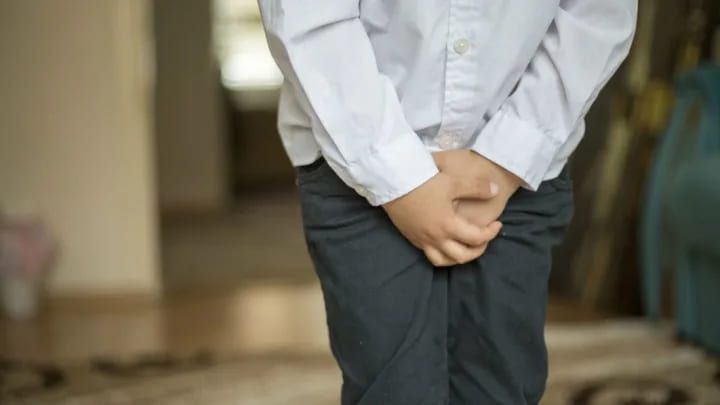
In our hustle culture, it’s far too easy to put off a visit to the bathroom. Whether out of a long meeting or a busy movie, or just from being too lazy to get up, many of us have no problem keeping our urine in. Ignoring the urge to pee may seem harmless on certain occasions, but consistently holding in your bodily fluids can lead to long-term health issues. From the risk of permanent bladder damageto other problems, the negative side effects of repeatedly holding it in are actually a lot more serious than you may think.
1. Urinary Tract Infection
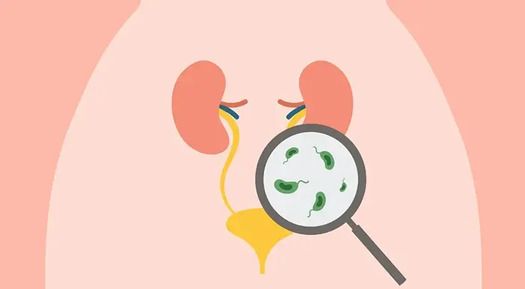
One of the most common and immediate negative effects of holding pee is the risk of having a urinary tract infection (UTI). Infection can become a problem because bacteria that should be flushed out by the rinse of urine go there to multiply, if urine sits in the bladder too long. Women are more likely because they have shorter urethras, but men are not immune. Symptoms of a UTI can be a burning feeling when you pee, having to go all the time and even lower abdominal pain. Untreated, the infection can travel up the kidneys and lead to more serious complications such as fever, back pain, and even kidney damage. The tiny act of temporarily packing in that bathroom stop can unleash a cascade of ill effects that transform a minor inconvenience into a dangerous health condition.
2. Bladder Muscles’ Weakness
In addition to infections, chronic urine retention can over time weaken the bladder muscles. The bladder is a muscle built to stretch and then squeeze as it fills and empties. But when it is repeatedly stretched to the brink, those muscles can be overextended and the elasticity can be lost. This may cause men to experience urinary retention, which is when the bladder doesn’t empty fully, or overactive bladder (OAB), a condition in which the bladder contracts involuntarily These contractions can lead to sudden, uncontrollable urges to urinate. In more serious cases, prolonged holding can even lead to urinary incontinence, when people can´t control their bladder at all. So what begins as a bad habit can become a lifelong battle with bladder control.
3. Damage to Kidneys
Another less well-known risk is damage to the kidneys. Waste from the blood is filtered through the kidneys, which make urine that then travels to the bladder to be stored. When that urine isn’t regularly expelled, pressure can build up in the urinary system, with waste products potentially pushed back toward the kidneys. This backward flow, called vesicoureteral reflux, can boost the odds of kidney infections and, eventually, lead to scarred kidneys or possibly chronic kidney disease. It is more common in kids, but adults who have a habit of holding their urine can pay a hefty price to their renal system as well.
4. Psychological Problems
The psychological impact of chronic urine retention also shouldn't be underestimated. The sensation of a full bladder can be distracting, uncomfortable, and even anxiety-provoking, especially when there may be limited access to the bathroom. This can set in motion a cycle of stress, where people perceive their body complaining on one hand while the modern world imposes on the other. In children, that can be associated with something called dysfunctional voiding, in which the bladder and the pelvic muscles aren’t coordinating the way they should, and it can cause chronic urinary trouble.
Though modern life may often require delaying basic bodily needs, it’s important to remember that the bladder was not created to be ignored. Paying attention to what your body is telling you can spare you from a lot of what is avoidable in the way of health problems. If you have situations where you often avoid urinating because of work obligations or other circumstances, you may want to try some easy ways to change that by, for example, using reminders to go to the bathroom, hydrating yourself without going overboard before long events, and making a doctor’s appointment if you’re dealing with ongoing pain. The bladder might be the quiet organ, but its needs should not be silenced for convenience. Being mindful about when it is time to go to the bathroom can be an easy tool for the prevention of urinary health and overall health.
 Disclaimer:
The content provided on our blog site traverses numerous categories, offering readers valuable and practical information. Readers can use the editorial team’s research and data to gain more insights into their topics of interest. However, they are requested not to treat the articles as conclusive. The website team cannot be held responsible for differences in data or inaccuracies found across other platforms. Please also note that the site might also miss out on various schemes and offers available that the readers may find more beneficial than the ones we cover.
Related Websites
-
 Travel
Driving Around Texas: Preparations and Suggestions
We get so used to decorating our homes, that we rarely care to decorate our vehicles — and this makes sense — the decorations in our homes will be more quite in the ours or friends life for a longer time — as opposed to the decorations in our homes would be quite shorter. However, here are a few important things to consider before you hit the road in this state full of variety to ensure your trip will be as enjoyable and safe as possible. Here is a guideto seeing Texas by car.1.GetYour Vehicle ReadyCheck vehicle maintenance before hitting the road. The roads in Texas run long and winding and the weather can change from hot summer to icy winter in some areas. Make sure your tire pressure, tread depth, and oil levels are where they need to be. And, of course, make sure your car's cooling system is working properly; temps can reach searing levelsin the summer. It's also smart to have an emergency kit with a spare tire, jumper cables, flashlight, first-aid supplies and water.2.Follow TexasDriving LawsFamiliarize yourself withdriving laws in Texas. You're required to put the phone down because the state has a hands-free law — it's illegal to drive with a handheld device. The speed limit on many of the interstates is 70-75, but always check the posted signs, as limits will often vary. Stay alert in school zones, where limits are reduced at certain times of the day. Texas also has a move over law that requires drivers to change lanes or slow down when they approach emergency vehicles, tow trucks, or road maintenance workers.3.NavigateTexas HighwaysInterstates 10, 20, 30, 35 and 40 run crosswise throughout the expanded state of Texas, with myriad highways in between. Other major highways include US Routes 69, 75, 83, 87 and 90, which all connect the cities.Check which route to use through trustworthy GPS or map services but have a paper map as backup. Toll roads, such as the tollway system operated by the Texas Tollway Authority, will require electronic toll tags or pay upon exit. -
 Health & Wellness
What Causes External Hemorrhoids?
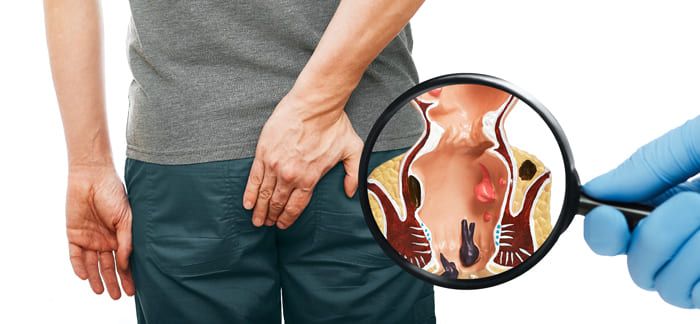
Millions of people around the globe suffer from external hemorrhoids, which are a common and often painful condition. They happen when the veins near the anus or lower rectum become enlarged and inflamed. External hemorrhoids, by contrast, don’t grow inside the rectum, butrather under the skin around the anus.Knowing what causes external hemorrhoids may assist in their prevention and appropriate management. Their rising progression is caused by many reasons are the diet habits, the lifestyle and the medical issues.1.Difficulty in Having aNormal Bowel MovementOne of the biggest causes of external hemorrhoids is excessivestraining during bowel movements. This is one word that is most often when some having constipation or difficultdefecation.Increased pressure is put on the veins around the rectal area, which causes them toswell and be inflamed. Chronic constipation, which makes you strain over and over again, is a significant risk factor for external hemorrhoids.2.Poor Dietary HabitsAnother contributing factors of external hemorrhoids is a low-fiber diet. Fiber makes stools soft and bulky, a configuration that’s much easier to pass. When there isn’t enough fiber, stools are hard and dry, resulting in constipation and straining. Not drinking enough water can make it worse, we need to be hydrated in order to keep stools soft and constipation at bay.3.Prolonged Sitting or StandingWhen people sit or stand for long periods, extra pressure is put on the veins in the rectal area whichcan lead to the formation of external hemorrhoids. Those of us with sedentary jobsor sitting on the toilet for extended periods of time are at greater risk. Likewise, standing for an extended period also worsens the condition by even more pressure into the lower rectal veins.4.ObesityOverweight or obesity is another leading risk factor of external hemorrhoids. Extra body weight exerts pressure on the pelvic and rectal veins, causing them to be more prone to the swelling and inflammation that they become subjected to with pregnancy and childbirth. Finally, obesity often goes hand in hand with a sedentary lifestyle and unhealthy eating habits which alsopredispose you to hemorrhoids.5.Pregnancy and ChildbirthExternal hemorrhoids are most often common during pregnancy in women. The enlarged uteruscompresses the pelvic veins and contributes to the swelling and inflammation of the veins around the anus. Hormonal changes in pregnancy also weaken the veins, which makes them more prone to hemorrhoids. The pressure that occurs in childbirth may aggravate an existing condition or create new hemorrhoids.6.AgingAge causes the tissues of the rectal area and theveins in it to become progressively weaker, which makes them more vulnerable to swelling and inflammation. That’s why external hemorrhoids are more likely in older adults. In elderly people, hemorrhoids are more common due to the aging tissues losing their connectivity and structural support, further compounded by a sedentary lifestyle and reduced defense against constipation.7.Genetic PredispositionAlthough somepeople might have a tendency to get hemorrhoids due to genetics. A person may be more prone to suffer from hemorrhoid if there is a family history of it being passed down through generations, between the weaknesses inherited in the veins or connective tissues in the rectal region.To conclude, straining during bowel movement, poor diet, prolonged sittingor standing, obesity, pregnancy, agingand familial predispositionare contributory factors to this painful and often debilitating condition — external hemorrhoids. Becoming aware of these possible causes can enable people to stage prevention, such as following a high-fiber diet, taking ample hydration, rambling usually and not putting pressure on a chair for a lengthy time period or undertaking difficult lifting. In case of persistent or worsening symptoms, medical consultation for the correct diagnosis and treatmentis necessary. Eradicating the underlying risk factors can lower the likelihood that one would develop external hemorrhoids, and even make life easier in general. -
 Health & Wellness
Shielding Yourself from Shingles: A Guide to Prevention
Herpes zoster, also called shingles, happens when the virus that causes chickenpox becomes active again. What causes the virus to become active again is not fully understood by researchers. However,we do know that after a person has had chickenpox (usually in childhood) the virus lies hidden not inactive but dormant within nerve tissues near the spinal cord and brain. For still unexplained reasons, however, that same virus, years or often decades later, can reactivate. However, there are highly effective strategies that people can employ to substantially reduce the odds of catching shingles and its complications.
Featured Articles
-
 Health & Wellness
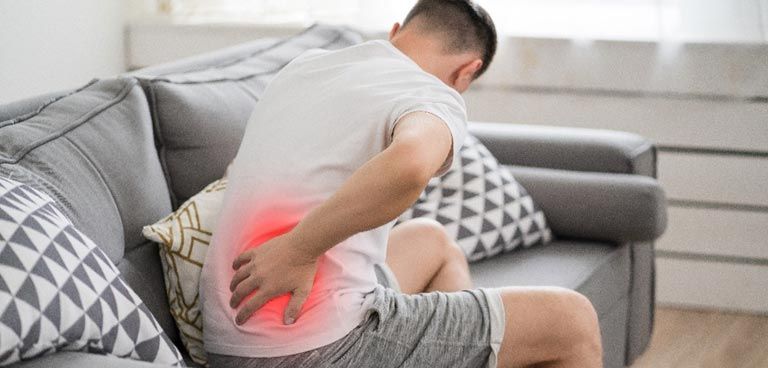
Preventing Kidney Stones: Effective Strategies for a Healthier Life
-
 Home & Garden
Choosing the Proper Furniture for Your RV
-
 Home & Garden
Stackable Washer Dryer Selection Guide
-
 Health & Wellness
Etiology of Hives
-
 Health & Wellness
Why Do I Fart So Much? Understanding Excessive Flatulence
-
 Finance
Advantages of Fixed Income Funds
-
 Health & Wellness
Recognizing the Signs: A Comprehensive Guide to Urinary Tract Infection Symptoms
-
 Health & Wellness
How to Relieve Bloating and Gas Naturally