



Things to Pay Attention to When Buying a Used Pickup Truck
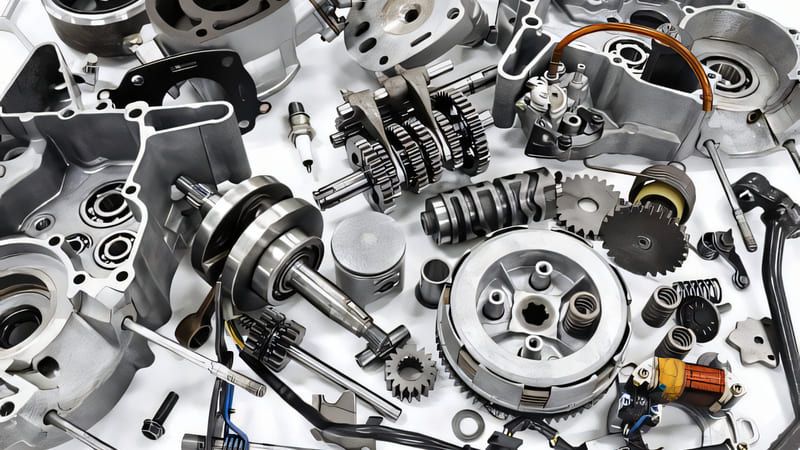
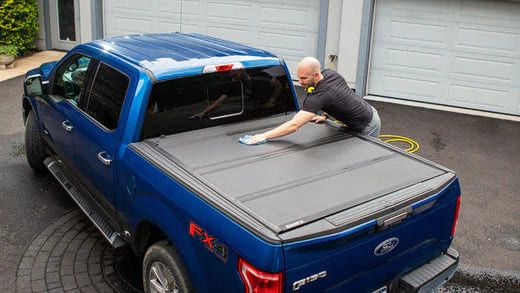
Used pickup trucks are what most of us will be looking at, it provides uswith a good alternative, a tough, flexible and impressive value for money. But buying a used pickup truck is not an easy process, and traps are everywhere. Hereare key things to keep in mind when shopping for a used full-size pickup truck.1.Set a BudgetStart your search with a budget in mind. If you buy a car, include the cost of purchase, taxes, registrationfees, insurance, potential repairs, etc. Oravoiding overspending by sticking to a budget tohelp you narrow down your options.2.Check Vehicle HistoryWhen purchasing a used pickup truck, a vehicle historyreport is needed. Services such as Carfax or AutoCheck can offer information about accidents, title status, mileage and maintenance history. Stay away from trucks with severe accident histories, flood damage or salvage titles; they can create major repair problems later.3.Inspect MileageMileage is not the only measure of a truck’s condition, but it’s a keyone. Low miles typically mean less wear, but high mileage isn't necessarily a dealbreaker if the truck was well maintained. Considermileage balanced with overall condition.4.Do a Walk Around of the Outside and InsideExamine the truck’s exterior for any rust, dents, scratchesor evidence of repainting, which could suggest previous harm. Inspect the bed for damage, since this is a major part of a pickup truck. Step inside and check for worn seats, cracked dashboards or inoperative controls. A clean interior is often indicative of how well the previous owner took care of the car.5.Test Drive the TruckDefinitely take a test driveto get a feel for how the truck drives.Pay attention to how to starts, accelerates and stops. Above all, you need to pay attention to the abnormal noise, such as rattling or grinding, which means the problems. What’s more, you also need to check the transmission, suspension and four-wheel drive areas.6.Check the Engine andUnderbodyOpen the hood and check the engine for leaks, corrosion orfraying belts. Check the oil and coolant levels and look for signsof bad maintenance. If you can, get under it to look for any rust, damage or worn out parts like shocks and suspension parts that a mechanic can check.7.Confirm Towingand Payload SpecsIf you have a plan to use the truck for hauling goods, one thing must do is to check its towing and payload abilities. Do remember to check whether this truck can burden the weight you want it to tow or not. If you really care the towing ability, make sure it includes a working hitch and wiring harness.8.Review Maintenance RecordsRequest maintenance documentation to ensure the truck was serviced regularly.A well-maintained truck includes routine oil change, tire rotations, etc. Not keeping records might mean neglect and could lead to issues down the road.9.Negotiate the PriceThere is usually room to negotiate onused pickup trucks. If you do decide to negotiate, use your research on the truck’s market value, condition and any needed repairs to agree on a fair price. Beready to walk away if the seller won’t agree to your offer.10.Get aPre-Purchase InspectionEven if the truck looks great, it’s worth it to hire a mechanic for a pre-purchase inspection. An expert can spot problems that might behidden, and will not show up in an informal inspection or drive.11.Check OwnershipCostsLastly, you should think about the overallownership costs of the car. Research its fuel economy, insurance rates, parts availability.Do remember that some models are cheaper but more expensive to maintain at the same time. Therefore, you need to consider these aspects.By referring all these aspects, you can find a suitable used pickup truck of high quality to meet your standards. Make the time, do the research, be bold enough to ask questions. A great used pickup truck can provide lots of reliability and fun foryears to come. Visit Website

Why We Need to Change Oil for Our Cars
Oil changes is averycommon andimportant part of vehicle maintenance. It probably seems like a no-brainer, and one of those things you can do yourself, but changing the oil in your motorcar iscrucial topreserving its life, performance and efficiency. Although essential, so many individuals overlook this standard process, but be careful as ignoring it has serious effects on your car.Here’s why you need to change your car’s oil.1.ComponentLubricationEngineoil is mainly used to lubricate the engine mounted moving parts.When your car’s engine is running, thousands of metal componentsare whirring at high speeds. Without proper lubrication, those parts would grind against each other, generating friction andheat.And, over time, this friction can create quite a bit of wearthatdecreases the engine’sefficiency, and may lead toirrevocabledamage. Well-lubricated parts are also vital to keeping everything in the engine harmonizing; lubricants minimize the friction between these surfaces and prolong the life ofthe engine.2.Heat RegulationWhile running, enginesmake a lot of heat. The oil helps soak up and disperse this heat, so the engine won't run hot. Over time, though, the oil breaks down and the temperature regulation becomes ineffective. Dirty, degraded oil can contributeto higher engine temperature, which could eventually lead to overheatingor even engine failure. Keeping up with routineoil changes ensures that theoil remains effective at performing its cooling role, keeping theengine temperature where it should be.3.Removal of ContaminantsOil grabs dirt, debris, andother contaminates as it flows through the engine. Combustion byproducts, dust or metal particles dueto engine wear can contribute to these impurities. These contaminants build up in the oil over time, transforming it into a thick, sludgy gunk. “Dirty Oil”can't appropriately lubricate theengine anymore, and those contaminants cause the engine parts to abradeand get damaged. By changing the oil, these harmful particles are removed, keeping theengine clean and protected.4.Improved Fuel EfficiencyClean oil when the oil is dirty because it generates friction and the engine does not work efficiently. A well-running engine takes less power to run, meaning improved fuel economy. Conversely, dirty oil, namely old oil, causes friction, which makes its respective engine work harder, in turn burning more gas. Regular oil changes will keep your oil clean for optimal fuel efficiency, saving you money in the parking lot.5.Prevention of Engine SludgeEngine sludge is a thick, sticky substance that builds up when oil breaks down and combines with other materials. Sludgecan block oil passages, preventing properlubrication and internalengine damage. Sludge buildup, in extreme cases, could leadto total engine failure. By replacing old,dirty oil before it turns into sludge, regular oil changes help prevent sludge from forming in the engine.6.Extended Engine LifeA good engine can go forhundreds of thousands of miles, but not if you never change the oil. Routine oil changes mitigate the wear and tear on engine components, prevent overheating and facilitatea clean engine. Regularmaintenance in this case will spare you expensive repair services or overall engine replacement in the future.7.Cost SavingsSome view an oil change as an unnecessary cost, however, in fact, changing it periodically is a practical and effectiveway of maintaining your vehicle. An oil change is a small price when compared to the costs of a blown engine dueto negligence. Regular oil changes mean less wear and tear on your car and lesschance of expensive repairs down the road.In short, it isa simplebut significant maintenance task that has agreat impact on the performance and longevity of your car.And ensuring the motor runs smoothly and efficiently, fresh oil lubricatesengine elements and controls heat and expels contaminants.Regularoil change intervals will prolong the life of your car, improve its fuel mileage, and keep you from having to spend more money on repairs. So the next time your car is due for an oil change, don’t put it off — your engine will be grateful.
Visit Website

Advantages of Riding Lawn Mowers Over Push Mowers
Keeping your lawn clean is a little difficult, therefore, you need to know what tools and equipment can help you. Among all the lawn cleaning tools, lawn mower is the most popular one. But it is also divided into two categories, riding lawn mower and push mower. There is a time and place for push mowers in lawn care, however, riding lawn mowers, if applicable, have a number of benefits over push mowers, and for many people these advantages make the riding mower the clear choice, particularly for individuals with larger lawns or special physical needs. Here are the main benefits of riding lawn mowers compared to push mowers.1.Efficiency and Time-SavingThanks to their efficiency, riding lawn mowers are among the best devices you can use outdoors. Mowing with a push mower can be labor-intensive and a lengthy process when it comes to large plots of land. Ride-on mowers are more efficient because they have wider cutting decks making them quicker and can also cover ground faster.This enables homeowners to finish their lawn care jobs in a small segment of the time than would require if using a push mower. For those short on time, or with large properties, this time-saving feature is worth its weight in gold.2.Reduced Physical StrainWhile push mowers offer some power assistance, they are still labor-intensive, especially on uneven ground, thick grass, or large plots of grass. Over time this can cause fatigue, muscle strain and even injury. Riding lawn mowers reduce a lot of this physical strain from the operator because they allow the operator to mow from a seated position. This is especially good for older folks, people with physical limitations, or anyone who just wants to keep their lawns the easy way.3.Improved Terrain PerformancePushing a lawn mower around hills, slopes or uneven surfaces can become an issue. On these surfaces, a riding lawn mower — particularly a model with four-wheel drive or heavy-duty tires — can be a better fit. Their robust nature allows them to go across tough patches without affecting the cut quality. It helps achieve a more consistent and professional looking grass, even in less than ideal conditions.4.Improved Comfort and ConvenienceThe rider lawn mowers are built for operator comfort. Comfort features, including padded seats, armrests, and easy-to-reach controls, improve the mowing experience. Many also include cup holders, storage compartments, and Bluetooth for music or phonecalls. Such conveniences elevate lawn mowing from a chore to a more enjoyable task.5.Ideal for Large PropertiesHowever, for homeowners with bigger cartridges, a push mower is often impractical thanks to the level of time and effort involved. Riding lawn mowers are built for bigger areas, so they are the right mower choice for estates, farms, or big resident lawns. Even the most expansive lawnscan be covered in no time with their capabilities to cover several acres quickly and efficiently.6.Long-Term Cost-EffectivenessRiding lawn mowers usually cost more to purchase than push mowers, but in the long term, theycan end up being more economical. If they need to be repaired or replaced, they need to be less often due to their durability and ability to handle larger areas. Also, using riding mower saves time and energy, and this time and energy save can be beneficial if hiring a professional is a choice.So a Riding lawn mowers provides many benefits over push mowersespecially some one who has a bigger lawn area or some physical needs. They offer far higher efficiency, reduced strain on the body, versatility and enhanced comfort, makingthem an excellent alternative for most homeowners. There is still the domain of the push mowers and they still serve their place in the small, flat piece to maintain but they have very little to offer you if you have larger or more difficult pieces to maintain and riding you can ride maintain it in far more comfortable situations. For those serious about lawn care, purchasing a riding lawn mower is a worthwhile investment that can not only save time and energy, but also money in the long run.
Visit Website

How to Enhance the Warmth of a Room with the Right Furniture
One of the principles behind enchanting your room, is to create an inviting atmosphere. And, while there are many aspects that complement this ambience, the right furniture is really the key to this and you want to be sure not only the pieces define the space but set the tone. So look no further, no matter what space you are designing, whether it be a living room, bedroom or otherwise, here are just a few of the key furniture pieces you can use to instantly boost the warmth and comfort of your room.1.Plush Sofas and ArmchairsA sofa upholstered in a soft fabric is a centerpiece in a living room and can immediately make it feel warmer. Pick fabrics such as velvet, chenille or linen in warm colors like beige, taupe or deep burgundy. The sofa with a couple of cozy armchairs surrounding it makes a sitting arrangement that makes you want to just chill and talk. Addin throw pillows and blankets in personality-perfect textures and colors to further enhance the inviting viscous vibe.2.Rugs with Soft TexturesA wisely chosen rug can help ground the room and provide an additional layer of warmth underfoot. Choose rugs made from natural materials such as wool or cotton, which are durable but also soft. Opt for patterns or colors that fit in with the room's decor, such as earth tones or subtle geometric designs. A large enough area rug that fits under the major furniture pieces can pull the entire room together and make it feel more cohesive and inviting.3.Wooden FurnitureWooden furniture such as coffee tables, bookshelves, or side tables will add some natural warmth to a home. You have numerous wood options with varying textures and grains, which adds depth and character to your space — and helps hide dings and scratches.Choose warm wood tones like oak, walnut, or cherry for smaller pieces. If you want something more modern, opt for furniture with a matte finish or lighter wood tones — both can be cozy without being too heavy.4.Soft Lighting with LampsLighting is one of the most important thing to a inviting space. Instead of using just overhead lights, bring in table lamps and floor lamps with soft, warm-toned bulbs. Lamps with fabric shades soften and diffuse light, tempering it with a warm gleam. Strategically place lamps around the room, lighting up stylish corners, creating an ambient and layered lighting scenario that adds depth and warmth.5.Bookshelves and Display UnitsBookshelves with books, photo frames, and decorative objects help a room feel lived in and personal.Showpieces such as family photographs, travel collections or pieces of art bestows warmth and personality in your home. Open shelving units allow you to display your personality, and closed cabinets will conceal the mess. Mixing books with plants and decorative objects on the shelves adds visual interest and a warm, homey vibe.6.Layered TextilesTissues such as curtains, throws and cushions do soften a room instantly and make it feel a bit more welcoming.Opt for thick fabric, such as velvet or linen, to insulate against the cold and block drafts. Layering different textures — a knitted throw over a leather couch or a faux fur cushion on a wooden chair, say — adds another tactile ingredient to a room and intensifies its coziness.7.Personal TouchesFinally, do not overlook the effectiveness of personalization. Photographs, art and homemade decorations can personalize a room. Elements like a gallery wall hung above a console table or a carefully curated collection on display on a bookshelf, are happier, adding warmth and context to how you arrange furniture.There’s no doubt that the right furniture would turn a stranger into a homeand create a true sanctuary for yourself.By following these steps, you can create an environment that feels like a true sanctuary. It could be a comfortable couch, warm rug, or a tastefully decorated bookshelf, but these elements help add to the overall feel of warmth and coziness of the living room.
Visit Website

Patio Furniture to Invigorate Your Outdoor Activities
It can be understood that the transformation of your outside area into a bright, practical, and welcoming spot can improve the quality of outdoor activities you perform there.No matter for outdoor barbecue in summer, morning coffee or sunlight bath, patio furniture can meet all your desires and standards. From chairs to tables to hammocks, patio furniture is not just about the attraction for eyes, it can also offer you comfortable and durable outdoor activities.1.Comfort Meets StyleComfortable seating is the foundation for any great outdoor space. From cushy lounge chairs to comfy sectionals, patio furniture is made for supreme comfort all while matching your outdoor decor. Weather-resistant fabrics will create a more comfortable atmosphere on cushioned chairs and sofas. Throw pillows are a good way to add some color and warmth to your setup. For those who enjoy entertaining at home, modular seating arrangements are a great way to tailor your setup for entertaining groups, no matter how big or small.2.Sturdy Dining SetDining outdoors is a classic to patio enjoyment. A strong dining set with a big table and chair helps to convert your backyard into the ideal location for family meals or get-togethers with buddies. Seek materials like teak, aluminum or polywood, which are durable and resistant to the elements. You may also include umbrellas or pergolas to shade the area so you can dine comfortably even on sunny days.3.Lounge and UnwindIf you want to have a place to lie down, you can add a lying chair or hammock which are suitable for reading, sleeping or just enjoying the good fresh air outdoors. Pair them with a sidetable, where your drinks, books and snacks will go, to achieve seamless functionality and relaxation. If you have room, a daybedor swing chair can make your outdoor retreat feel luxurious.This kind of living style is so magical and can make a great difference in your life, thanks to the patio furniture you choose right according to this suggestion.4.Fire Pits and WarmthFirepits or outdoor heaters can extend the use of your patio into the cooler evening hours. Later, circle your fire pit with comfy seating for roasting marshmallows or trading stories under the stars. Fire pits come in all kinds of styles, everything from a rough-hewn stone design to a polished metal option so you can find one that suits your aesthetic.5.Durability and MaintenanceWhen choosing patio furniture, research your climate and how much maintenance you’re willing to do. Wrought iron and aluminum are rust proof, making them suitable for humid or coastal environments; teak and cedar provide a natural aesthetic and resilience with little maintenance. If you want a low-maintenance alternative, synthetic options such as polywood are environmentally friendly and durable.6.Personalize Your OasisYour patio should be an extension of your personality and lifestyle. From a minimalist modern aesthetic to a bohemian, eclectic vibe, there’s patio furniture for every style palate. Pick and choose pieces to form a space that feels like an extension of your indoor living space. Add things like water features, outdoor art and a bar cart to make your patio feel even more inviting.”Together with the right patio furniture, you can design an outdoor sanctuary that motivates you to head outside, entertain and get close to nature. With a little thought to comfort, style and functionality, you can design a patio that serves your needs and makes you want to spend more time outside. From hosting a raucous gathering or simply finding some quiet moments alone, the right type of patio furniture will give you the inspiration to enliven outdoor activities and make every moment count, not just during the summer months.
Visit Website

Benefits of Medicare Plan F
This comprehensive coverage includes the rare benefit of guaranteed coverage which gives recipients peace of mind that they will be covered regardless of their health. It's a kind of Medigap plan, which means it's designed to fill gaps in coverage under Original Medicare (Part A and Part B) to help pay out-of-pocket expenses like deductibles, co-payments and coinsurance. Medicare Plan F is for many seniors the gold-standard plan, providing them with broad coverage of services and fewer surprises when it comes to paying for health care.Almost anything is covered under Medicare Plan F. Established at the same time as Plan G, Plan F also differs from the rest of the Medigap plans by covering the entire Medicare Part A and Part B deductibles, coinsurance and co-payments. This means beneficiaries are not required to pay for these out of pocket, which can be especially helpful for those who need medical or hospital care on a regular basis. Plan F also covers Part B excess charges that some healthcare providers can charge above what Medicare agrees to pay.On this basis, the Minimal Essential Coverage, (MEC) protects the beneficiaries from unforeseen healthcare costs and therefore is considered to be valuable.Medicare Plan F covers coinsurance for skilled nursing facility care, and this is one of the best features about Medicare Plan F. After a hospital stay, many seniors require some additional care in a skilled nursing facility, and Plan F covers the coinsurance cost for up to 100 days, per benefit period. This is a potentially massive win for people recovering from surgery, or grappling with chronic conditions — it takes away the significant cost burden of receiving care for a long time. Plan F also covers emergency care you get while traveling outside the country, which all Medigap plans don't. This benefit gives piece of mind to international travelers (including seniors) that they have coverage if a medicalemergency occurs outside of the United States.PlanF also helps beneficiariesbudget for their healthcare. With the vast majority of out-of-pocket expenses-paid for,seniors will have a clearer view of their healthcare costs, making budgeting simpler. That predictability matters especially to people with fixed incomes, because it's one less thing for them to have to worry about if they're stuck with an unpredictable bill for a medical visit. Moreover, Plan F also offers the same thing as Plan N, the ability for beneficiaries to go to any healthcare provider that accepts Medicare, which means they can choose their doctors and specialists without worrying about being in network.Such a free choice is a major benefit for people who prefer continuity in healthcare, or who have established ties with particular providers.Medicare Plan F, which offers several benefits, is not available to new Medicare beneficiaries who entered the program on or after Jan. 1, 2020. This included an amendment that would limit the amounts that cover the Part B deductible in Medicare plans, under the auspices of getting the Medicare costs under control; this change would be enacted in 2015 with the passage of the Medicare Access and CHIP Reauthorization Act (MACRA). But, people who became eligible for Medicare prior to this date are still able to enroll in Plan F, which makes PlanF a solution for a wide range of current beneficiaries.Overall, Medicare Plan F is one such Medigap plan known for its extensive coverage, financial stability,and flexibility in healthcare choices. With its coverage capabilities for virtually all out-of-pocket costs not covered by Original Medicare, it is an attractiveoption for seniors looking to reduce their healthcare costs. It remains an effective financial tool for addressing healthcare as part of retirement planning. By far the most popular choice among seniors seeking Medicare Supplement Insurance, Plan F is among the most sought-after policy tiers.
Visit Website

Types of Loans: A Comprehensive Guide
Loansmust be the mainstay of personal and business finance, helping individuals and organizations fulfill their aspirations. Loans allow access to money when needed — whether it be for a new home, funding a business, or handling surprise expenses — that can be paid back in installments. But not all loans are created equal.The future financial decision we will make is based on the type of loan we can take. This article covers the different types of loans, their purposes, and theirmain characteristics.1.Personal LoansIn a personal loan, borrowers receive a lump sum of funds to return in fixed monthly payments over a set period of time, often one to seven years.The interest rates for personal loans can vary greatly on the credit rating, income, and repayment record of the borrowing individual.Personal loans provide flexibility but tend to carry higher interest rates than secured loans.2.Mortgage LoansMortgage loanisa type of loan that is used specifically to purchase real estate (i.e. to buy a home or a property), as opposed to personal loans. These are secured loans, meaning that the property in question is used as collateral. Because mortgages can represent an, if not the, largest monthly financial obligation anyone assumes, borrowers should study their budget andlong-term plans carefully before signing on the dotted line.3.Auto LoansAuto loans are loans for the purchase of a new or used vehicle. Auto loans are also secured, just like mortgages, using the automobile as collateral. If the borrower does not make payments, the lender can take back the car. Auto loans usually have shorter repayment periods, anywherefrom three to seven years, and they come with competitive interest rates. The loan amount is usually based on the price of the vehicle, the borrower's creditworthiness and the down payment. Autoloans area common option for those who require reliable transportation but cannot afford to purchase a vehicle upfront.4.Student LoansHigher education is often expensive and it is the purpose of student loans to assist individuals finance their college costs for tuition, books and those bit more expensive living expenses. These loans may come from the government or private lenders. Federal student loans tend to offer lower interest rates and more flexible repayment options than private loans, such as income-driven repayment plans, graduated repayment plans, and possible loan forgiveness.Private student loans, by contrast, can carry a higher interest rate and far fewer protective provisions for borrowers. Student loans are unique because they usually do not need to be repaid until after the borrower has graduated or dropped out, making them an easy option for many students.5.Payday LoansThey are known as payday loan and are high interest loan designed to be paid back with a borrowers next paycheck. These loans are usually for small amounts and intended to cover emergency costs. Payday loans, as previously mentioned, have astronomically high interest rates and fees, meaning they can be a dangerous choice for those borrowing money. Many financial experts recommend payday loans only if there are no other options, because they can start a cycle of debt if not paid back immediately.Borrowings are financial weapons that can work for or against you but come at a cost.Each of this type serves a unique purpose and has its own associated terms, interest rates, and risk-sustainability. Before borrowing, it's important to evaluate your financial essential, shop around and have an understanding of the long-term ramifications of taking out a loan. That will help you to create informed decisions based on your needs and to have a secure financial future.From buying a home to funding an education to starting a business, the right loan can be an important steppingstone toward success.
Visit Website
Discovering America's Heartbeat: Traveling With Amtrak
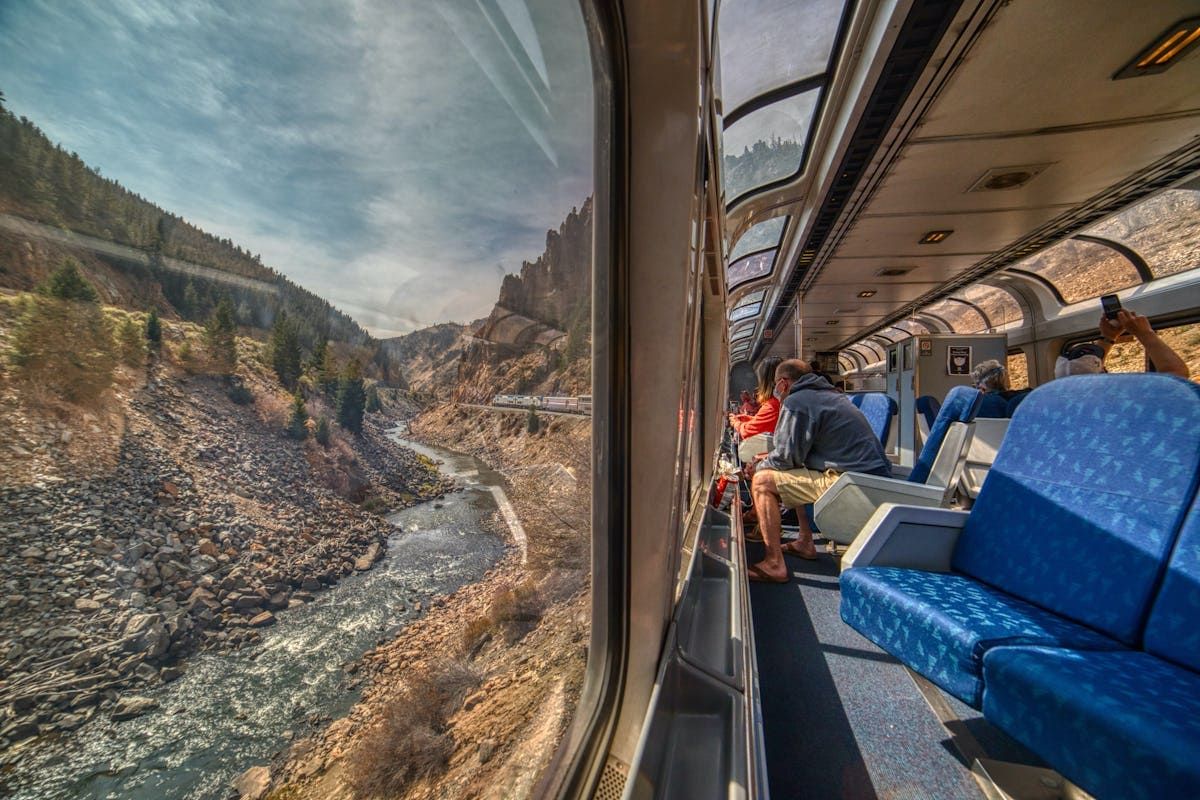
In an age of jet travel and interstates, there is something sorefreshing about the idea of traveling by train. If you want to see the United States at a slower, more immersive pace, however, Amtrak is a mode of transport that can also be an experience instead of simply a means of getting from point A to point B.Amtrak, our national passenger railroad service, is a lifeline woven through the fabric of America. Its routes crisscross the continent, carrying passengers from bustling cities to peaceful pastoral backroads, privy to the nation's soul. From the iconic Northeast Corridor, which runs in-turn from Boston, New York, Philadelphia and Washington, D.C., to the expansive views of the Southwest aboard the Southwest Chief, every Amtrak ride is a story waiting to unfold.One of the best parts of traveling by Amtrak is the chance to slow down and enjoy the ride. Train travel, so different from the frenetic pace of flying, gives you the chance to watch the slow-change of scenery. As the train rattles along, you may sit up gazing out the window at the rolling hills of Pennsylvania, the arid, sprawling deserts of Arizona, or the dense, green trees of the Pacific Northwest. Each look is a moment in America's natural beauty, unfolding right before your eyes.You feel quite at home in the onboard ambiance, modern with a touch of timeless. Whether you're spending your hours shut up in a roomette or a bedroom, or in one of the open seating sightseeing cars alongside fellow passengers, the train's various interior spaces are all created to cater different forms of needs, from the public to the private. You'll also be able to look forward to a dining car, where you'll be able to enjoy a gourmet meal while the train glides across the countryside. Whether you are enjoying a homey breakfast as it rises over the Great Plains or a fine dinner under the stars in the sky above the Rocky Mountains, Amtrak dining is a culinary experience unto itself.Amtrak travel is also a social experience. In contrast to the forced solitude of a car ride or the cold indifference of flying, train travel invites communion. Passengers of all stripes come together, bonded by the shared experience of the journey. At these places, conversations come easily as strangers become friends, sharing stories about their destinations and the experiencesencountered along the way. It's not unusual when traveling to exchange advice with another traveler on the best things to do in Chicago or the historical significance of the Grand Canyon with another passenger.The most memorable part of Amtrak travel is the connection to America's past. A number of the train routes trace historic rail lines that once served as the arteries of the nation's westwardexpansion. One such trip is the California Zephyr, which follows pioneer trails westward in search of opportunities for fortune. When you visit small towns and across the rural hinterlands the remnants of the past will reverberate, the tales of the people who have gone or are going before or after you and the dreams that built this great nation.Overall, Amtrak is a way to experience America in its entirety.It gives you a window into the country's beauty, allows you to experience its pulse and meet its residents. In an era where everything races past, Amtrak allows us to slow down and savor the ride and helps us understand what it is that makes America the rich, varied tapestry that it is. So, the next time you're planning a trip across this great land, I can't help butrecommend the allure of the rails. Board an Amtrak train and let the journey unfold!
Visit Website

Driving Around Texas: Preparations and Suggestions
We get so used to decorating our homes, that we rarely care to decorate our vehicles — and this makes sense — the decorations in our homes will be more quite in the ours or friends life for a longer time — as opposed to the decorations in our homes would be quite shorter. However, here are a few important things to consider before you hit the road in this state full of variety to ensure your trip will be as enjoyable and safe as possible. Here is a guideto seeing Texas by car.1.GetYour Vehicle ReadyCheck vehicle maintenance before hitting the road. The roads in Texas run long and winding and the weather can change from hot summer to icy winter in some areas. Make sure your tire pressure, tread depth, and oil levels are where they need to be. And, of course, make sure your car's cooling system is working properly; temps can reach searing levelsin the summer. It's also smart to have an emergency kit with a spare tire, jumper cables, flashlight, first-aid supplies and water.2.Follow TexasDriving LawsFamiliarize yourself withdriving laws in Texas. You're required to put the phone down because the state has a hands-free law — it's illegal to drive with a handheld device. The speed limit on many of the interstates is 70-75, but always check the posted signs, as limits will often vary. Stay alert in school zones, where limits are reduced at certain times of the day. Texas also has a move over law that requires drivers to change lanes or slow down when they approach emergency vehicles, tow trucks, or road maintenance workers.3.NavigateTexas HighwaysInterstates 10, 20, 30, 35 and 40 run crosswise throughout the expanded state of Texas, with myriad highways in between. Other major highways include US Routes 69, 75, 83, 87 and 90, which all connect the cities.Check which route to use through trustworthy GPS or map services but have a paper map as backup. Toll roads, such as the tollway system operated by the Texas Tollway Authority, will require electronic toll tags or pay upon exit.
Visit Website

Planning a Family Vacation: A Guide to Creating Lasting Memories
Planning a family trip can be fun but also overwhelming. It's a chance to make lasting memories, enrich relationships and break away from the daily grind. But designing a trip thatmeets everyone's interests and needs require a lot of planning and consideration. Whether you envision a beach getaway, a cultural adventure or an outdoor retreat, here's a complete guide to planning a family vacation everyone will love.1.Plan Your Trip TogetherGet everyone involved in the first step of planning a successful family vacation by working together to makethe right decision. Gather as a family and discuss possible destinations,activities and budgets. Give each family member an opportunity to express what they would like to experience on the trip. Young kids maybe thrilled about theme parks, teens boom out on adventurous stuff like hiking or water sports. Parents may emphasize relaxation or exploring cultural sights. Getting everyone's input helps you to plan a vacation that will satisfy all ages and interests.2.Select theIdeal DestinationPicking the right destination makes up a large part of anyfamily trip. Take into account things like how long it will take to get out there, the weather, and whether there are activities to do out there a family would like to have. If you're traveling with younger kids, you may want the place to be fast and easy to reach, with plenty to see and do for kids. For those with teens, maybe a place with adventure but also time out is best. Popular places for family vacations include beach resorts, national parks and cities with rich cultural and historical experiences.3.Plan Activities Everyone Will Be Involved inAperfect family vacation walks the fine line of fun and relaxation. Once you have selected a destination, research activities and sights thatareinterest-specific. To illustrate, a beach trip may have swimming, sandcastle construction, and beach volleyball. When you travel to a city, you might visit museums, local markets, and live performances. Make sure you schedule some downtime so people can feel refreshed and energized.4.Prepare for the UnexpectedEven with all the planning in the world, problems can arise on a family vacation when you least expect it. Flight delays, bad weather, and even minor illnesses can derail your plans, so you're going to want to be prepared. Have a fallback plan for activities if bad weather arrives, and pack a mini emergency kit with band-aids, pain relievers and a portable phone charger. Flexibility and a good attitude are everything when things don't go as planned. The idea being quality time together as a family.5.Record the MomentsThis is why a family trip is the perfect opportunity to make lasting memories. We used a camera to snap pictures and videos of our travels. Be sure to write things down in a travel journal or scrapbook there will be souvenirs to help jog your memory of the fun time you had and you can have fun together when you were traveling.6.Reflect and ReconnectSpend some time after the vacation discussing as a family about the experience. Tell about your highlights and whatyou learned from the trip. Take this time to strengthen family ties. To the contrary, planning a family trip — and having fun on one — can hit both those notes and leave you with memories you'll cherish for a lifetime.To sum up, organizing a family holiday takes a lot of time and effort, but the best part about it is really worth it. Involve everyone in the planning process, create a budget,pick a suitable destination and be ready for the unexpected, to ensure a fun and memorable trip for the whole family. Go ahead and plan and pack your family adventure today and prepareto create lasting memories.
Visit Website
Must Reads

-
 Automotive
Evolution of the Chevy Equinox: From Theta Platform to Modern SUV
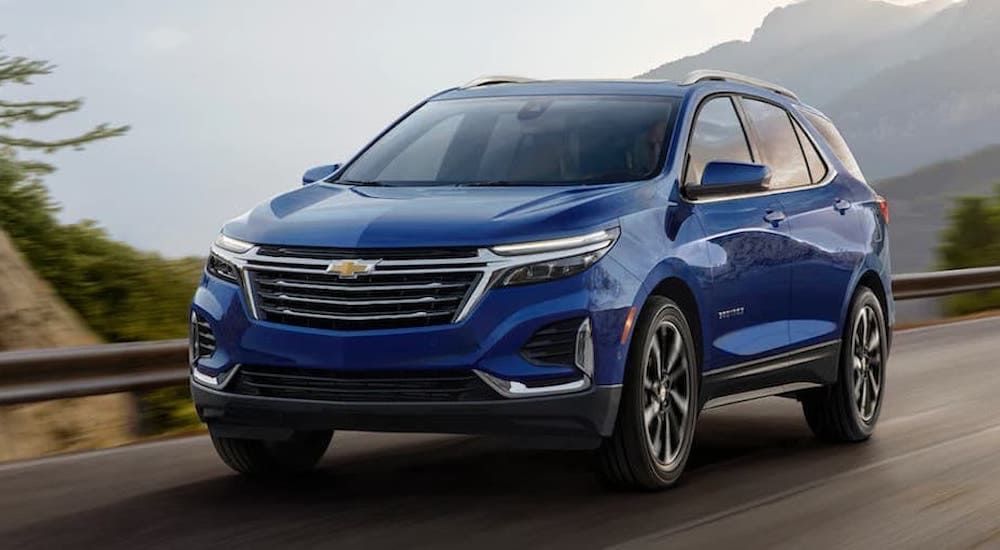
The Chevrolet Equinox, named after the astronomical meaning of the word which refers to the two times each year the earth’s axis is most inclined toward the sun, resulting in equal day and night times, has been the backbone of General Motors’ SUV lineup since it launched. In its first of several iterations, the versatile vehicle has a long history. -
Travel
Taking a Mississippi River Cruise: An Unforgettable Experience
The Mississippi River can be said to be a living history book, reflecting the story of America — its past, present and future — and to cruise on it is to know American culture as well. From its headwaters in Minnesota to its mouth at the Gulf of Mexico, this serpentine river is more than 2,348 miles long and, with its many tributaries, provides the ultimate scenic and culturally rich road trip. But before you set sail, here are a few things that will make your cruise experience unforgettable.1.Get Familiar with the Itinerary and Call PortsMississippi river cruises have a variety of routes, withdifferent itineraries covering a range of interests. Some cruises sail the entire length of the river; others are tailored to specific sections, such as the Upper Mississippi, the Mississippi Delta or the picturesque St. Louis to Memphis stretch. Learn about the port itinerary, each port of call can provide different ports of calls. From dynamic city lights in Memphis to tranquil lands of the Upper Mississippi Valley, each port provides a unique experience of the region's culture and lifestyle.2.Choose the Right Cruise ShipMany cruise lines operate on the Mississippi, each with its own ships, amenitiesand vibe. Considerthe ship's size, cabin options, dining and entertainment optionson board, for example. Bigger ships might offer more opulent amenities and wider decks for magnificent river views, but small vessels can provide a more intimate and personalized experience. Look up the reputation of the cruise line and check reviews so that you will choose a ship that matches your style.3.Plan Your SeasonDeciding on the best time to take a Mississippi River cruise mainly comes down to the type of weather andseasonal activities you want to enjoy. Spring and fall feature moderately ideal temps and fewer crowds, so it'syour best bet for a relaxed cruise. Summer means warmer weather and more celebratory vibes, making it ideal for outdoor activities and music festivals. Winter cruises, though less common, can deliver a wonderfully peaceful and off-season experience, though you'll have to gear up for cold-weather conditions.4.Pack SmartWhen packing, keep in mind that you'll be traversing both land and sea. Pack clothes that you can layer for changing weather and comfortable walking shoes for port excursions. For warmer seasons, don't forget sunscreen, hatsand insect repellent. Pack a reusable water bottle — it's important to keep hydrated during excursions on a cruise.5.Embrace the Local CultureThe Mississippi River is sewn into the fabric of American history and culture. From Delta blues music to Civil War history along the way, every port is a trove of stories and traditions. Chances are, you will have the chance to take part in local tours, see cultural performances and try regional cuisine. Your cruise experience will be made brighter with some local culture time, and the memories will remain for forever.6.Be Aware of RiverConditionsAlthough the Mississippi River is navigable in general, conditions on the river vary, particularly in times of heavy rain or drought. Stay updated on weather predictions and river heights to make sure your cruise is on schedule. Cruise lines usually watch these conditions closely and will change itineraries as necessary to ensure safety.To sum it up, a Mississippi River cruise is a one of a kind way to see the heartland of America. Knowing the route, selecting the right vessel, planning your season, packing appropriately, exploring local culture and remaining aware of river conditions will contribute to a fulfilling cruise experience. Well, hoist your sails upon the grand ole river wee the mighty Mississippi and let the warm waters cadge you up on a course of rediscovery and delight. -
Health & Wellness
Conquering the Fungus: A Guide to Effective Toenail Treatment
Onychomycosis, commonly known as toenail fungus, is a common condition that affects countless people globally. Such condition starts with a small white or yellowish flare beneath the end of the nail and gradually leads to an entire discoloration of the and crumbled texture; In some cases, left untreated for any length of time, it can become painful just from the pressure caused when wearing shoes or standing up to walk somewhere. These days, expert opinion would usually consider such cases as only minor annoyances but of course if no care at all is taken they can actually end up damaging your nails permanently! Fortunately, there are numerous treatment options available today--ranging from natural remedies such as rubbing vinegar on an infected area all the way through to cutting-edge medical procedures. -
Home & Garden
Cabinet Kitchen: The Heart of Modern Home Design
When it comes to home design, the kitchen has always been the heart of the home, so the idea of a cabinet kitchen ranges from the focal point of the room right out to its functionality and style. A cabinet kitchen is a kitchen model that capitalizes more on storage, space flow, and visual appeal specializing in well-structured cabinetry. Unlike open shelving or the minimal look, a cabinet kitchen focuses on hidden storage, working to keep the countertops clear of clutter while ensuring the essentials are just an arm's reach away. This method is especially favoured in modern environment as clean lines and effective storage is important.



Trending Articles

Pep Boys: A Century-Long Leader in the American Automotive Aftermarket
Pep Boys, also known as The Pep Boys - Manny Moe & Jack, is an American chain of automotive aftermarket retail and service stores. Manny & Moe and Jack, the business has grown into a national auto parts and service chain, serving do-it-yourself customers as well as professional installers. Headquartered in Philadelphia, PA., Pep Boys has more than 800 locations across a broad array of service categories including tire, automotive repair, maintenance and others integrated parts and service model.And here is an introduction to this company which is familiar by almost every drivers of the United States of America.

Use a Reverse Mortgage Calculator to Get the Best Estimate of Your Loan
Such a mortgage can be a powerful financial tool if you own a home and are age 62 or older because it enables you to unlock your home equity without selling your home — or adding another monthly payment. But understanding how much you can borrow and at what cost can be complex. That's where a reverse mortgage calculator comes in. This tool gets you a close to exact figure on your loan amount which can help you budget wise going forward with your financing.A reverse mortgage calculator is meant to offer an estimate of how much money you may qualify to receive based on some key factors. How it works out is something you have to consider but there are so many factors to weigh from your age, to your home value, the amount of equity you've built and interest rates. The older the borrower and the more equity the borrower owns in the home, the more they can borrow. It also considers what kind of reverse mortgage you may be in the market for — a Home Equity Conversion Mortgage or a HECM (a federally insured product) or a proprietary reverse mortgage from private lenders.One of the most valuable things about a reverse mortgage calculator is it will make you consider various scenarios. You can, for example, adjust variables such as the value of your home or the interest rate to see how they might impact the amount of your loan. That sort of flexibility can allow you to both understand your options and plan your next moves. The calculator may also show estimates of the fees you would pay for a reverse mortgage, including origination fees, mortgage insurance premiums and closing costs. Understanding these costs is key to assessing whether a reverse mortgage will make sense for you financially.As you discover through a reverse mortgage calculator, the way you receive your funds is also adjustable. Also, unlike a loan, reverse mortgages could pay out in multiple ways, a lump sum, installments, a line of credit or some combination of the three. The calculator will give you an idea of how either option would impact your available cash and your financial strategy. For instance, if you're opting for a line of credit, the calculator can show up estimates as to how much you'll be able to withdraw over time, and how the available balance may grow.While a reverse mortgage calculator is an excellent tool to use, it is never a replacement for the expertise of a professional. The calculator results are only estimates based on the information you provide and some assumptions, so they may not reflect the precise terms you'll receive from a lender. Simply consult with a reverse mortgage counselor or a financial advisor to get a clearer picture of how much you can expect to receive, and the related costs of doing so. Because sometimes the calculator can make mistakes, and it can not totally displace a specialized consultant, you can both use the reverse mortgage calculator and the consultant.As what has been discussed and mentioned above, we can easily observe that a reverse mortgage calculator is a free tool that can help to determine the best option available for you. It provides a fast, simple method of gauging how much you might borrow, what your different options are and what it would cost you for each scenario. Whether you want to make a little extra money, pay for unplanned for expenses, or just enhance your quality of life, a reverse mortgage calculator can help you get started so that you can reach your goals.

Unlocking Heaven: Your Guide to Finding the Perfect Kauai Vacation Package
Kauai, the “Garden Isle”, is a stunning emerald drop in the Pacific ocean featuring dramatic cliffs of the NaPali Coast and impossibly beautiful Waimea Canyon as well as peaceful beaches, remote valleys and schools of tropical fish in its18mile long and 20mile wide waters. The planning of such a trip to this natural wonderland, can be overwhelming but if you book the right holiday package, then the mirage can turn into an affordable and hassle free reality. The secret is to look past the standard flight-and-hotel package and in turn put together a deal that plays nicely with your travel style and Kauai’s unique geography.

RockAuto: A Game Changer in the Auto Parts Industry
Founded in 1999 by the brothers Tom and Jim Taylor, RockAuto has upended how car owners and mechanics buy auto parts. Located in Madison, Wisconsin, this family owned online auto parts retailer has made a name for itself in the world market.Here are the things you should know about it.
Must-See Spots in Cancun, Mexico: Where Nature Meets Ancient Civilization
02.Tips to Remove Urine Stains from Your Mattress
03.All-Round Excellence of Saatva Mattress
04.Guide to Buying a Suitable Mattresses for You
05.A Lifelong Smile: Comprehensive Oral Health Prevention for Seniors
06.Navigating the Skies: Essential Considerations for Private Jet Charter to The Bahamas
07.Helpful Tips for an Easy Air Travel
08.Lower Premiums on Property Insurance: A Path to Financial Relief and Security




Popular Articles
-
Home & Garden
Versatile Magic of Adding a Coffee Table to Your Space
When it comes tohome ornaments and utility, few pieces of furnitureare as versatile or transformativeas a humblecoffee table. Thisoften-overlooked piece of livingroom furniture can be so much more than a holder of your morning cup ofcoffee. With these factors in mind, we’re breaking down the importance of a coffee table for yourspace, how it can add an unexpected lift to both the looks and functionality of yourroom. Hereis the reason why a coffee table is a must-have and how itcan do wonders in your home.1.An Aesthetic Anchor for theLiving RoomAs a matter of fact, it is the visual centerpieceof your living room, bringing the seating arrangement together and keeping it in balance.To help you dress and transform the room, a sleek modern table or rustic wooden design might fit your existing decoration. The right coffee table will make your room feel cohesive and intentional and, most importantly, like home.2.Surface with Effective for SteadyUseThe most straightforward function of a coffeetable, of course, is to provide a surface on which to set drinks, snacks, books or decorative objects. It’s a handy placeto set your coffee mug down as youread, toput down a plate on movie night or to house a beautiful vase of flowers. This functionalitymakes it a must-have furniture piece for everyday living and entertaining guests.3.Extra Storage SpaceSome coffee tables may even have storage options, like drawers or shelves or even hidden compartments. All of these make for agame-changing way to keep your living room organized. Use the storage to tuck away remote controls, magazines, board games, or even blankets, to keep your spaceclean and functional.4.AvailabilityofCreativity and IndividualizationThe coffee table is a blankcanvas to showcase your personal style.You can style it with coffee table books, candles, plants or funky trinkets that reflect your aesthetic. Seasonal decorative accents — a bowl of pine cones in winter; a tray of seashells in summer — add an element of charm, and keep your decoration from getting stale.5.A Social Hub for GatheringsHaving acoffee table really promotes socializing. It’s a community space where people can gather, play games, or share snacks. At parties or family gatherings, it sits in the middle of the room as a springboard for conversation and connection and transforms your living room into a more hospitable, communal space.6.ASpace for Purpose and PlayFor families with kids,a coffee table can be a spot for arts and crafts, homework or the building blocks. Choose a durable, easy-clean table thatwill stand the test of daily life. It is a functional add-on that can adapt as your family’sneeds evolve.7.Enhancement of the Comfort and ConvenienceFinally, a coffee table brings some comfort into your living room. It’s not far to reach when you’re reclining on the couch, so you can grab what you need without having to stand up. This simple convenience can radicallychange the way you experience and enjoy your home.All in all, these are just a few reasons thatexplain why the coffee table you choose for your living room matters.From storage and surfacearea to aesthetics and social bonds, a coffee table is asmall piece of furniture with a lot of potential. So, if youare redecorating, or simplylooking to spruce up your space, and all the different ways a coffee table can do its magic at homeare talked and mentioned above, are you ready for adding a coffee table in your room? -
Home & Garden
Things You Should Consider Before Buying Furniture
Purchasing furniture is a big investment in both the financial and living-space-impacting considerations. Whether you’re moving into a new home or simply refreshing your current one, there are a handful of things to keep in mind before buying. By taking the time to consider these details, you can make well-informed choices and find pieces for your home that are right for you and make your home sparkle.1.BudgetConsider your budget first. Prices for furniture can start low and go high, so establish beforehand how much you’re comfortable spending before you shop. Remember that it can be an attractive option to go for the cheapest one, but the quality is often more expensive. Think about the furniture’s staying power — investing money in the right thing that you like, and that will last a while, will usually be cheaper than buying something that’s — for lack of a better word — temporary, and needs replacing in a few years.2.Space and SizeMeasure your space carefully before you fall in love with a particular piece of furniture. Think not just about the size of the room, but the layout, and how the new piece can work with your other furniture. A big couch might look great on the showroom floor, but if it dwarfs your living room, it won’t be functional. Conversely, having a small dining table could be limiting if you regularly have many guests over. Just make sure to factor in walking space, and that the furniture won’t block doors, windows or other places you need access to.3.FunctionalityConsider how the furniture will be used. If you’re purchasing a sofa, will it mostly be for lounging, or do you require something more formal for entertaining? If you are buying a bed, think about whether you need storage space underneath it. For dining tables, consider whether you want extendable options for larger groups. Furniture that do not work with your lifestyle or daily needs are useless.4.Style and AestheticsYour furniture needs to represent who you are and mesh well with the beauty of all your rooms. Take note of the color scheme, materials, and design of the pieces you’re interested in. Do they complement your current decor, or will they pop in a way that you love? Just keep in mind that while trends can be seductive, classic styles often endure a bit longer. If in doubt, neutral colors and timeless designs tend to be a safe choice.5.Material and DurabilityHow important is the material of furniture for both theaesthetics and durability? Everyone has their own pros and cons, wood, metal, glass, or upholstery. Balancing expenses although solid wood furniture is sturdy and lasts for years, it might feel like an investment that is a little more to maintain compared to less expensive options like multi-purpose wood or press wood furniture.Upholstered furniture is cozy and chic but can be prone to staining and wear. Think about your lifestyle — if you have kids or pets, you may want to select materials that are easy to clean and resistant to damage.6.ComfortComfort is key, particularly for furniture you will be using regularly, like sofas, chairs and beds. Use your eyes, but not just your eyes — try out the furniture if you can. Sit on the sofa, lie down on the bed and see that the furniture is comfortable to suit your requirements. What makes someone comfortable may not be what makes another person comfortable. Search at your speed to find the items you truly want to use.To sum up, purchase of household furniture is a decision to be planned thoroughly with care.Ultimately, by keeping in mind your budget, the space in your home, functionality, style, material, comfort, maintenance, sustainability, and delivery options, you can make selections that will add to and serve your home and your needs for years to come. So take your time, do your research, and ask questions if needed before you buy. Because the right furniture can change how you live in your home, and whether it is a pleasant place to spend time. -
Automotive
LaFerrari vs Ferrari Enzo: A Clash of Generations in Ferrari’s Masterpieces
Few names in the automotive lexicon conjure as much respect as Ferrari, whose masterpieces include the Enzo and LaFerrari, bookend hypercars that bookend a decade-long breakthrough in high-concept performance technology. These cars are so much more than fast cars, though; they are churning testaments to Ferrari’s uncompromising nature, each one representing the technological and philosophical most of the time of its life. The two also share the prancing horse badge, and a heritage embedded in F1, but fundamentally the way they go about finding speed, and the way they feel and engage the driver are worlds apart. But comparing them is more than just a matter of horsepower and lap times; it’s a study in how automotive ambition mutates. -
Health & Wellness
Living with Shingles: A Comprehensive Guide to Managing the Condition
Shingles, also known as herpes zoster, is a viral infection that causes a painful rash. It is caused by the same virus that once gave you chickenpox varicella-zoster virus. Then, after lingering dormant in your body for several years, it reactivates and causes shingles. If you have been diagnosed with shingles should definitely learn how to manage the condition: this can reduce significantly your misery and keep complications at bay. -
Automotive
Why Should We Choose Hertz Car Rentals?
In thisage of rapid globalization, nothing beatsconvenience,dependability and high-quality services in the transport sector. Whether you need to rent aset of wheels for business travel, family vacations or just a temporary replacement of your vehicle, partnering with the right car rental provider can make a world of difference. With all the options these days, Hertz Car Rental is one ofthe top choices formany customers around the world. Here aresome reasons why Hertz is a great option for your rental requirements.1.Global Reach and AvailabilityHertz is undoubtedly theoldest and most recognized name in the car rentals industry andhas operated in a whopping 150 countries and thousands of places. Hertz is likely to have a rental location by you if you’re flying into a big international airport or need a vehicle in a smaller city. And although it doesn’t happen as often, this extensive network means you can easily secure a Hertz rental wherever your travels take you, making ita reliable option for domestic and international trips alike.2.Wide Range of Vehicle OptionsHertzprovides a great spread of options to suit every need and desire. Solo traveler who wants to roam in a compact car, a family who needs space with an SUV, ora guy just looking to roll in a luxury car for a big date,Hertz has you covered. Also, for the environmentally minded customer Hertz offers the hybrid and electric option. This variety ensures that there's alwaysthe perfect car for you, whether you want fuel economy, comfort or style.3.Exceptional Customer ServiceHertz's reputation was built oncustomer service. Whether youneed as much help as deciding the right vehicle for you or questions about rental policies. Its team is trained for everything. Hertz's 24/7 customer support means you'll have someone to turn to when you need it most, whether it's the middle of the day or the middle of the night. And Hertz's strong focus on customer satisfaction differentiates it from a host of competitors.4.Technological SupportsHertz has harnessed new technologies to enhance therental experience. It also allows customer to easily book, modify orcancel anybookings on its customer friendly website or mobile application. Hertz also features its Gold Plus Rewards program that offers benefits,such as expedited check-in and check-out, customized offers and points for free rentals.Hertz is extending contactless rental with curbside pickup and digital contracts, in response to current health consciousness at the moment, especially widespread high hygiene awareness and COVID-19 pandemic.5.NoHidden Fees and Easy to Change PolicyHertz transparentpricing structure rental plans range from daily or weekly plans to long-term plans, so customers can select the option that fits theirbudget and schedule. Hertz has flexible cancellation policies,so you can change plans without steep penalties. This transparencyand flexibility establish Hertz as a reliable option for travelers.6.Firm Indicators of SafetyandCleanlinessHertzis following strict hygiene protocols to keep its customers safe.The vehicles are deep cleaned and disinfectedbetween rentals, paying particular attention to high touch-point surfaces.In an effort to reduceface time, Hertz has contactless rentals offering peace of mind for travelers.7.Corporate and Long-TermRental SolutionsHertz caters not only to leisure travelers but also to businesses and people who need long-term rentals. Through their corporate programs, they provide customized solutions for companies, such as discounted rates, line-itemized billing, and fleet management solutions. Hertz also offers long-term rental options for those who need a vehicle for an extended period; these rentals are more flexible and cost-effective than leasing or ownership.With its global reach, various car types and technological supports, Hertz is at the top of car rental industry and brings exceptional rental experience. Hertz gives you the reliability, convenience, and peace of mind that you require for a stress-free trip, whether you are traveling for work or play.So, next time you rent a car, rent withHertz and see for yourself. -
Home & Garden
Avoiding Pitfalls When Buying Home Appliances Online
Of all the things we buyand keep on buying, one of the most confusing is an expensive major home appliance. The siren song of that deeply discounted refrigerator or that sleek new washing machine can be powerful, and in a frenzy of anticipation we do click on “add to cart.”But the path from a virtual cart to your actual home is riddled with potential problems which could transform that dream purchase into an logistical nightmare. The secret to having a successful time is not by chance but being disciplined and informed, transforming yourself from just another impulse buyer into an enlightened online shopper. The journey begins well before you start shopping the virtual aisles.