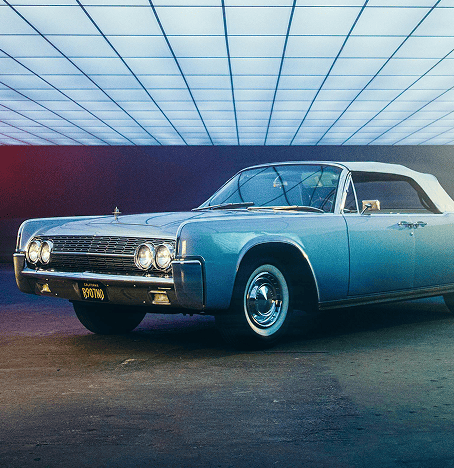



The Modern Pickup: A Buyer's Guide to Finding Your Perfect Match

The pick-up truck has really come a long way. The world of the pickup truck is different now — it's not just a vehicle for farmers or construction workers; it's also a great family car, road trip machine, status symbol and all-terrain beast. However, such versatility also makes the purchase a big decision. There is so much for me to say about drivers, I just know you're aching to hear more, but it's time soon enough to leave the showroom floor because failing to have an idea in mind can mean causing yourself unnecessary financial stress by having too expensive gear or unneeded sniff regret. So the path to the right truck doesn't start with a test drive, but rather with some honest self-assessment about what its main mission will be.
1.Utility and Toughness
For those who think of their truck as a tool first and foremost, this focus should be mercilessly honed in on utility and toughness. At the heart of the matter is payload and towing. Payload capacity, the weight of everything you can put into and onto the bed and cabin, is the real marker of a work truck; overloading it endangers safety. At the same time, your towing capacity should be selected realistically for your trailers or implements as well. Here, simplicity and a mechanically hearty (typically powerful V8 or duty-rich diesel for the heaviest loads) engine matched to a simple but comfortable interior are critical. Although a regular cab with its long bed will have less space for passengers, it delivers the maximum amount of cargo area, whether you need it for lumber or tools.
Conversely, if the truck needs to be used as a family vehicle as well, the math changes substantially. Suddenly, comfort, fuel economy and cutting-edge safety systems are what it's all about. The large crew cab and short bed gives passengers plenty of room to spread out, along with a more serene environment thanks to the smoother suspension, while the turbocharged V6 engine often provides a better balance of power and daily livability than the traditional V8 does.
2.Powertrain
The powertrain is the core of the truck's character. The old V8 versus new turbocharged V6 argument is a key point. And many of the new V6s pump out just as much power and torque the old gas-guzzling V8s, often with better fuel economy. Those who consistently tow heavy loads or have a traditionalist in them will most likely still find the mighty V8 to be the king of raw, unbraked power. If you need the very best in towing performance and highway fuel economy, opt for a diesel engine — but be prepared to pay more at signing. That's where rear- or four-wheel drive becomes crucial, beyond the engine. If you ever going to take your travels off 'road,' or if you experience harsh winters it is money well spent for 4WD and gives added confidence and freedom.
3.New or Used
This, and then there is the issue of new vs. used. There are all the latest bits of technology, from advanced infotainment-slash-navigation systems and driver-assist features to a full manufacturer's warranty that gives you peace of mind like what no other. Such benefits come with a corresponding heavy initial deprecation. An alternative would be a used truck, which offers great value as you'll be able to afford a higher-trim model. The intellect here is to exercise extreme caution, and demand an inspection by a trusted mechanic before committing bucks; a post-purchase one-is-not-like-the-other stance must be maintained to ensure no wear has been concealed (especially if the truck was once a work vehicle).
Ultimately, the ideal pickup isn't one with the greatest spec sheet but rather whatever slips itself quietly and comfortably into the story of your life — whether that's told from a job site or while on family vacation or cruising up a remote mountain trail.
 Disclaimer:
The content provided on our blog site traverses numerous categories, offering readers valuable and practical information. Readers can use the editorial team’s research and data to gain more insights into their topics of interest. However, they are requested not to treat the articles as conclusive. The website team cannot be held responsible for differences in data or inaccuracies found across other platforms. Please also note that the site might also miss out on various schemes and offers available that the readers may find more beneficial than the ones we cover.
Related Websites
-
 Health & Wellness
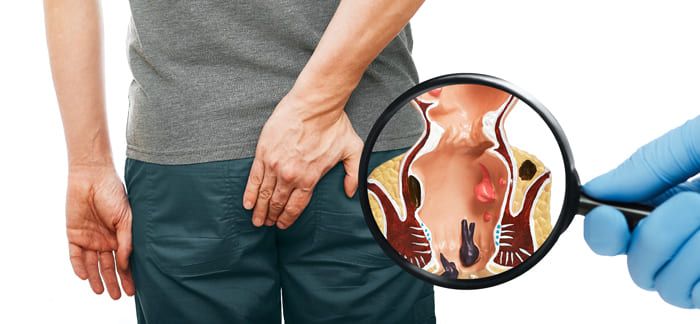
What Causes External Hemorrhoids?
Millions of people around the globe suffer from external hemorrhoids, which are a common and often painful condition. They happen when the veins near the anus or lower rectum become enlarged and inflamed. External hemorrhoids, by contrast, don’t grow inside the rectum, butrather under the skin around the anus.Knowing what causes external hemorrhoids may assist in their prevention and appropriate management. Their rising progression is caused by many reasons are the diet habits, the lifestyle and the medical issues.1.Difficulty in Having aNormal Bowel MovementOne of the biggest causes of external hemorrhoids is excessivestraining during bowel movements. This is one word that is most often when some having constipation or difficultdefecation.Increased pressure is put on the veins around the rectal area, which causes them toswell and be inflamed. Chronic constipation, which makes you strain over and over again, is a significant risk factor for external hemorrhoids.2.Poor Dietary HabitsAnother contributing factors of external hemorrhoids is a low-fiber diet. Fiber makes stools soft and bulky, a configuration that’s much easier to pass. When there isn’t enough fiber, stools are hard and dry, resulting in constipation and straining. Not drinking enough water can make it worse, we need to be hydrated in order to keep stools soft and constipation at bay.3.Prolonged Sitting or StandingWhen people sit or stand for long periods, extra pressure is put on the veins in the rectal area whichcan lead to the formation of external hemorrhoids. Those of us with sedentary jobsor sitting on the toilet for extended periods of time are at greater risk. Likewise, standing for an extended period also worsens the condition by even more pressure into the lower rectal veins.4.ObesityOverweight or obesity is another leading risk factor of external hemorrhoids. Extra body weight exerts pressure on the pelvic and rectal veins, causing them to be more prone to the swelling and inflammation that they become subjected to with pregnancy and childbirth. Finally, obesity often goes hand in hand with a sedentary lifestyle and unhealthy eating habits which alsopredispose you to hemorrhoids.5.Pregnancy and ChildbirthExternal hemorrhoids are most often common during pregnancy in women. The enlarged uteruscompresses the pelvic veins and contributes to the swelling and inflammation of the veins around the anus. Hormonal changes in pregnancy also weaken the veins, which makes them more prone to hemorrhoids. The pressure that occurs in childbirth may aggravate an existing condition or create new hemorrhoids.6.AgingAge causes the tissues of the rectal area and theveins in it to become progressively weaker, which makes them more vulnerable to swelling and inflammation. That’s why external hemorrhoids are more likely in older adults. In elderly people, hemorrhoids are more common due to the aging tissues losing their connectivity and structural support, further compounded by a sedentary lifestyle and reduced defense against constipation.7.Genetic PredispositionAlthough somepeople might have a tendency to get hemorrhoids due to genetics. A person may be more prone to suffer from hemorrhoid if there is a family history of it being passed down through generations, between the weaknesses inherited in the veins or connective tissues in the rectal region.To conclude, straining during bowel movement, poor diet, prolonged sittingor standing, obesity, pregnancy, agingand familial predispositionare contributory factors to this painful and often debilitating condition — external hemorrhoids. Becoming aware of these possible causes can enable people to stage prevention, such as following a high-fiber diet, taking ample hydration, rambling usually and not putting pressure on a chair for a lengthy time period or undertaking difficult lifting. In case of persistent or worsening symptoms, medical consultation for the correct diagnosis and treatmentis necessary. Eradicating the underlying risk factors can lower the likelihood that one would develop external hemorrhoids, and even make life easier in general. -
 Health & Wellness
Etiology of Hives
The medical name for hives is urticaria, and they are a commonly occurring skin condition that involves sudden, itchy, red and swollen areas of skin, know as welts, on the skin. They can also vary in size and shape and often arise and subside multiple times in a short period. Hives are usually not life threatening, but can be painful and distressing. Once you know what is triggering it or treated the underlying causes of the hives, your hives will go away. Life history and co-morbidities have a debilitating impact affecting transition to adulthood, and the hive is one of them. Here are the reasons why you encounter the hives.1.Allergic ReactionsFirst and foremost, allergic reactions are among themost widespread causes of hives. When the body reacts to an allergen, the immune system is hyperactive and release histamine and other chemicals in the blood. This results in blood vessel dilation and the swelling and itchiness characteristic of hives. Several common allergens which may lead to the hives include nuts, eggs and dairy products. And if you are stung and bitten by some insects, you may also have the chance to get hives. Even exposure to latex or certain chemicals has made me break out into hives in some cases.2.Physical StimuliThese typesof hives occur for example might occur after physical stimulation of the skin. There are many sub-typeswithin each category which may have a different trigger. Dermatographism, or “skin writing,” is an example of this phenomenon in which, when the skin is lightly scratched or rubbed, raised welts appear.The cold hives can be obtained by the exposure to the low temperature, while the solar hives results from the exposure to the sunlight. Heat hives which is caused by heat, cholinergic hives which is caused by the increase in body temperature such as exercise or taking showers, are other common physical hives. What is more, hives can be caused by these physical triggers that make the mast cells in the skin histamine-producing cells.3.InfectionsOne more common reason that causes the hives is the infection by virus or bacteria. Other viral infections — like the regular flu and hepatitis — can stir the immune response so much that hives result. The hives also can happen during a viral illness, particularly from the common cold, and can occur when you are infected by bacteria, especially because of the streptococcus or staphylococcus. And hives can be caused by all sorts of conditions, including infections from parasites.Infections are thought to elicit hives through the same process, although the exact mechanism is not fully understood.4.Systemic DiseasesHives may also be thesymptom of an underlying systemic disease. Chronic urticaria is often associated with autoimmune diseases such as lupus, rheumatoid arthritis and thyroid disease. Increased inflammation and rushing histamine are generated under these circumstances, causing the immune system to inaccurately attack the body’s own tissue. Certain cancers can also be behind hives, as part of the immune response the body launches to fight the malignancy, particularly lymphomas and leukemias. In some cases, hives can be a sign of an underlying endocrine disorder, such as diabetes or adrenal insufficiency.All in all, hives can have many different causes, with both allergic and nonallergenic sources behind the mechanisms that lead to this condition. The cause of what that will be individualized for what kind, however, will always have a foundation to the treatment and management of the eczema that person has. In several instances, recognizing and avoiding the trigger can greatly lessen the frequency and intensity of outbreaks. But chronic urticaria may require a more complex treatment plan that could involve antihistaminesor other medications to help manage symptoms. With further research, revealing the mechanisms behind hives, new and more targeted treatments are likely to come, and that driveshope who have to deal with thisproblem. -
 Health & Wellness
A Lifelong Smile: Comprehensive Oral Health Prevention for Seniors
It is quite possible for any chronic disease targeting those sensitive parts of the body also to find its way into an older person's mouth. Most oral diseases can be managed or avoided entirely in older people, allowing them the benefits of a working smile for many years to come with careful preventive care based on evidence. This paper outlines such a whole preventive idea, which goes beyond the nuts and bolts of daily shampooing to address special needs older people might have and is just as effective a result.
Featured Articles
-
 Automotive
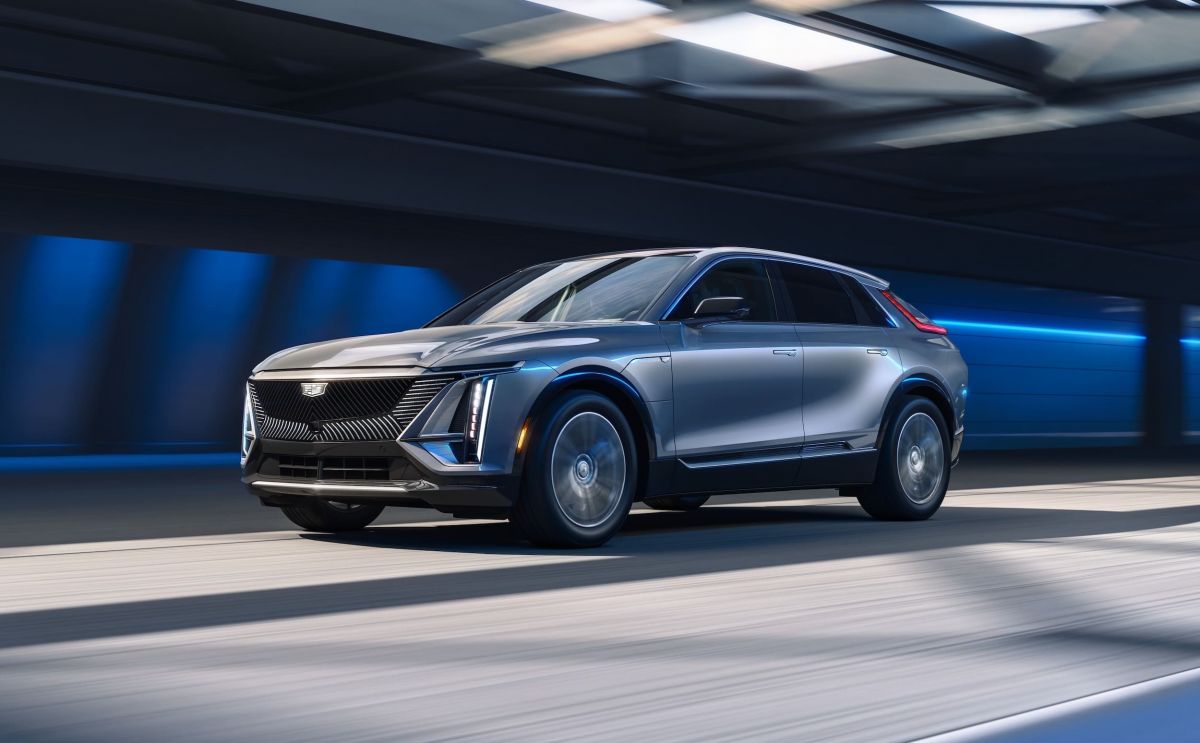
How the Cadillac LYRIQ Stands Out in the Luxury Electric SUV Market
-
Automotive
The Modern Pickup: A Buyer's Guide to Finding Your Perfect Match
-
 Home & Garden
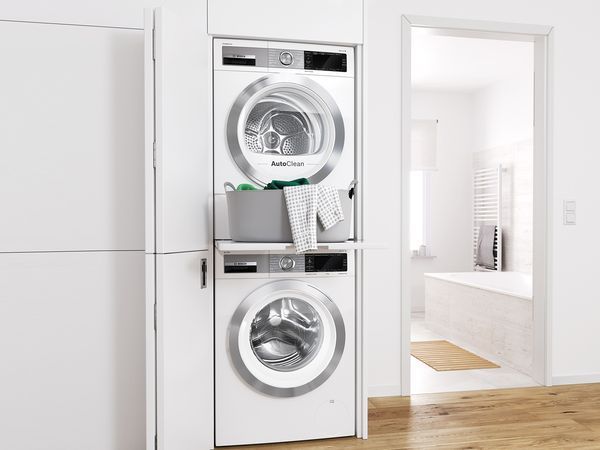
Stackable Washer Dryer Selection Guide
-
 Finance
Understanding the Core Components of a Reverse Mortgage Calculator
-
 Home & Garden
A Smart Shopper's Guide to Clearance Refrigerator Sales
-
 Finance
Is Buying a Home Still a Smart Investment?
-
 Automotive
The Mercedes-Benz C-Class: The Quintessential Expression of Intelligent Luxury
-
 Home & Garden
Essential Kitchen Appliances for the Modern Home