



Preventing Kidney Stones: Effective Strategies for a Healthier Life
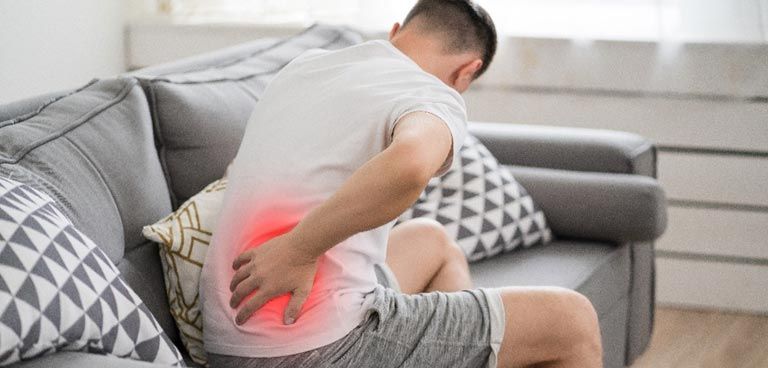
Kidney stones are a common painful condition that can be experienced by anyone. These solid deposits of minerals and salts can form in the kidneys, causing agonizing pain as they move through the urinary tract. While some people are genetically more prediscovered to grow kidney stones, there are several things that we can do to help prevent these from forming in the first place. Making some lifestyle changes and simply being cautious of dietary practices can greatly reduce your chances of developing this painful condition.
1.Stay Well-hydrated
The best way to try to prevent kidney stones is to keep hydrated. Staying well hydrated by drinking adequate water during the day helps to dilute materials that create stones in the urine.Minerals and salts are less likely to crystalize and form stones when urine is dilute. Their reason behind this is that the normal, reliable advice says that you ought to be drinking 8–10 glasses, or 2–3 liters, of water a day, but whose to say what this refers to when there are so many factors in your environment, level of activity, health conditions, etc. That will determine how hydrated you need to be. Those with a history of kidney stones are often advised to drink enough water to produce around 2.5 liters of urine per day. Water remains the best, but other fluids (like herbal teas and citrus-based drinks) can help with hydration, and possible prevention, in some cases, because citrate (found in citrus-based drinks) can help reduce formation of stones.
2.Balanced Diet
Diet is also an important part of preventing kidney stones. A diet that is low in salt and animal protein may help prevent stone formation. Excessive sodium intake can raise the amount of calcium in the urine, a major component of many kidney stones. So it’s important to limit processed foods, canned soups and salty snacks. Moreover, decreased animal proteins (e.g red meat, poultry/eggs) consumption will help to decrease the urinary levels of uric acid(another contributor to stone formation). We can certainly reduce our intake of animal proteins, and replace with more plant-based proteins, like beans, lentils, and tofu.
3.Get Enough Calcium
Calcium is also misunderstood with regard to kidney stones. Although calcium is a component of many stones, avoiding calcium is not the answer. In fact, consuming adequate calcium through fooddairy products or fortified plant-based options — can help prevent stones. That’s because calcium attaches to oxalate in the intestines, where it prevents oxalate from entering the bloodstream and being filtered out through the urine, where it can lead to stone formation. But speaking of extra calcium, it is also one of the minerals which shouldn't be taken in excess as it increases stone risk.
4.Take in Oxalate-rich Foods
Another food-related factor is the consumption of foods high in oxalate.Foods that are high in oxalate contain a compound that can combine with calcium in the urine to make calcium oxalate stones — the most common type of kidney stones. Spinach, rhubarb, beets, nuts and chocolate are all high oxalate. That doesn’t mean you have to completely ban these foods, but moderation, as well as balancing these foods with calcium-rich foods, may help in stone formation.
So in summary, the avoidance of food that would cause kidney stones, drinking lots of fluid and maintaining a healthy life style solves the puzzle of staying away from kidney stones. Well, here you can really reduce your risk of this painful condition as long as you drink enough water, reduce salt and animal proteins, take enough calcium, control oxalate-rich foods and weight. Though none of these approaches guarantee immunity from kidney disease, they help support these important organs while improving your quality of life. So if you’re prone to kidney stones (or at higher risk), always check with your doctor directly for more tailored advice.
 Disclaimer:
The content provided on our blog site traverses numerous categories, offering readers valuable and practical information. Readers can use the editorial team’s research and data to gain more insights into their topics of interest. However, they are requested not to treat the articles as conclusive. The website team cannot be held responsible for differences in data or inaccuracies found across other platforms. Please also note that the site might also miss out on various schemes and offers available that the readers may find more beneficial than the ones we cover.
Related Websites
-
 Automotive
What Every Driver Should Understand on Car Insurance Quotes
Shopping for car insurance can seem like a confounding maze of percent signs and policy terms, as well as some fine-print footnotes. But it all boils down to the same simple goal behind every online form or agents’ spreadsheet: estimating how likely you are to cost an insurer money and pricing that risk properly. -
 Health & Wellness
What Causes External Hemorrhoids?
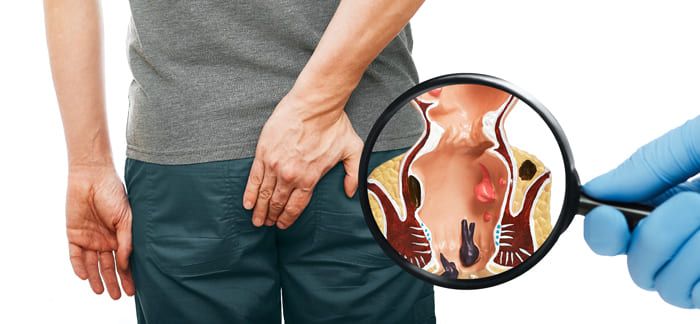
Millions of people around the globe suffer from external hemorrhoids, which are a common and often painful condition. They happen when the veins near the anus or lower rectum become enlarged and inflamed. External hemorrhoids, by contrast, don’t grow inside the rectum, butrather under the skin around the anus.Knowing what causes external hemorrhoids may assist in their prevention and appropriate management. Their rising progression is caused by many reasons are the diet habits, the lifestyle and the medical issues.1.Difficulty in Having aNormal Bowel MovementOne of the biggest causes of external hemorrhoids is excessivestraining during bowel movements. This is one word that is most often when some having constipation or difficultdefecation.Increased pressure is put on the veins around the rectal area, which causes them toswell and be inflamed. Chronic constipation, which makes you strain over and over again, is a significant risk factor for external hemorrhoids.2.Poor Dietary HabitsAnother contributing factors of external hemorrhoids is a low-fiber diet. Fiber makes stools soft and bulky, a configuration that’s much easier to pass. When there isn’t enough fiber, stools are hard and dry, resulting in constipation and straining. Not drinking enough water can make it worse, we need to be hydrated in order to keep stools soft and constipation at bay.3.Prolonged Sitting or StandingWhen people sit or stand for long periods, extra pressure is put on the veins in the rectal area whichcan lead to the formation of external hemorrhoids. Those of us with sedentary jobsor sitting on the toilet for extended periods of time are at greater risk. Likewise, standing for an extended period also worsens the condition by even more pressure into the lower rectal veins.4.ObesityOverweight or obesity is another leading risk factor of external hemorrhoids. Extra body weight exerts pressure on the pelvic and rectal veins, causing them to be more prone to the swelling and inflammation that they become subjected to with pregnancy and childbirth. Finally, obesity often goes hand in hand with a sedentary lifestyle and unhealthy eating habits which alsopredispose you to hemorrhoids.5.Pregnancy and ChildbirthExternal hemorrhoids are most often common during pregnancy in women. The enlarged uteruscompresses the pelvic veins and contributes to the swelling and inflammation of the veins around the anus. Hormonal changes in pregnancy also weaken the veins, which makes them more prone to hemorrhoids. The pressure that occurs in childbirth may aggravate an existing condition or create new hemorrhoids.6.AgingAge causes the tissues of the rectal area and theveins in it to become progressively weaker, which makes them more vulnerable to swelling and inflammation. That’s why external hemorrhoids are more likely in older adults. In elderly people, hemorrhoids are more common due to the aging tissues losing their connectivity and structural support, further compounded by a sedentary lifestyle and reduced defense against constipation.7.Genetic PredispositionAlthough somepeople might have a tendency to get hemorrhoids due to genetics. A person may be more prone to suffer from hemorrhoid if there is a family history of it being passed down through generations, between the weaknesses inherited in the veins or connective tissues in the rectal region.To conclude, straining during bowel movement, poor diet, prolonged sittingor standing, obesity, pregnancy, agingand familial predispositionare contributory factors to this painful and often debilitating condition — external hemorrhoids. Becoming aware of these possible causes can enable people to stage prevention, such as following a high-fiber diet, taking ample hydration, rambling usually and not putting pressure on a chair for a lengthy time period or undertaking difficult lifting. In case of persistent or worsening symptoms, medical consultation for the correct diagnosis and treatmentis necessary. Eradicating the underlying risk factors can lower the likelihood that one would develop external hemorrhoids, and even make life easier in general. -
 Travel
Why Travel Requires Advance Planning and Research
Travel is simply one of the best pleasures of life, an adventure away from home, an island either a break of relaxation or cultural enrichment. But a fulfilling trip does not come about by chance, it does take some planning and research too. Whether wandering a mega city, lazing on a tropic beach or trekking between remote mountains, a little pre-arrival groundwork can help make for smoother, and more enjoyable, travels.
Featured Articles
-
 Home & Garden
A Smart Shopper's Guide to Clearance Refrigerator Sales
-
 Home & Garden
Stackable Washer Dryer Selection Guide
-
 Automotive
Why Enterprise Rent-A-Car Stands Out as the Top Choice for Car Rentals
-
 Finance
Advantages of Fixed Income Funds
-
 Travel
Last-Minute Vacations at the Best Prices
-
 Automotive
Evolution of the Chevy Equinox: From Theta Platform to Modern SUV
-
 Finance
Universal Life Insurance and Term Life Insurance
-
 Health & Wellness
Breathe Easy: Proven Strategies to Prevent Asthma Attacks