


A Comprehensive Guide to US Gasoline Octane Ratings
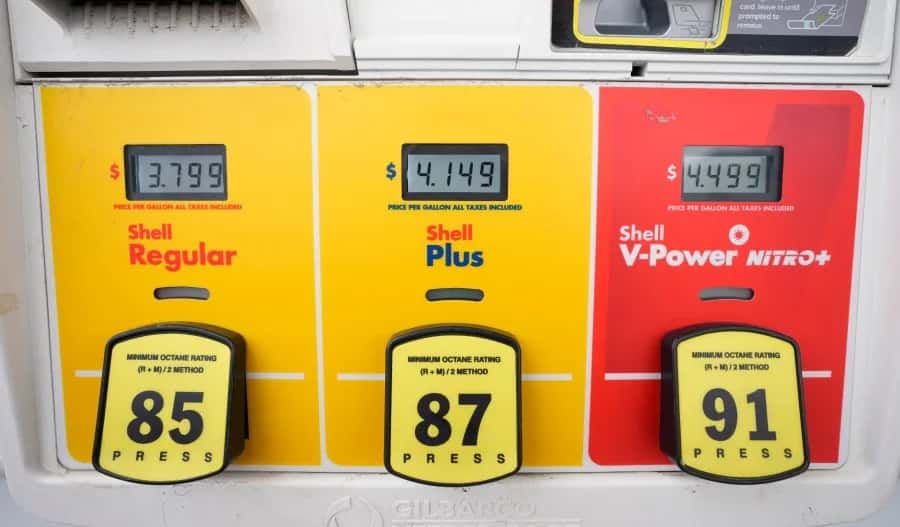
When you stop at a gas station in the United States, you are often faced with three choices for your car: regular, mid-grade and premium. All of those have their own octane number, the higher the octane number, the less chance of knocking or pinging in the fuel. Knowing how the octane rating system is structured in the United States and how that stacks up on an international scale can inform you of which fuel is right for your car.
Understanding Octane Ratings
The octane rating matters, because it's a measure of how much the gasoline can be compressed before it ignites on its own. A higher octane fuel is used, making the fuel less susceptible to predetonation or knocking that can damage the engine. In the US, typical numbers are used: the PON, which is an average of the RON and the MON. Frequently this is called the Anti-Knock Index (AKI) which is (RON + MON) / 2.
1. Popular Variants of Gasoline and Their Octane Numbers
l Regular Gasoline: This is the most widely used fuel which has an octane rating of 87. Fits most cars and is the least expensive.
l Mid-Grade Gasoline: Mid-grade gasoline with an octane rating of 88 to 90. It saves as a middle ground for vehicles that might desire bit more octane than they can get with normal fuel but wouldn't go for the highest rated octane available at the gas station.
l Premium Gas: This gas has an octane rating of 91-94 and is ideal for sports cars or vehicles with high-performance engines with high combustion ratios. Now these engines do need the higher octane, to prevent detonation at peak performance.
2. US vs International Octane Ratings
Anyway, let me point out that the US octane rating system is not the same as in most other countries. In the US, generally the RON is used in vehicle specifications from 1940s to until sometime around early 2000s. Many other countries use the RON system. This can be a source of confusion as octane ratings are usually posted based on the (R+M)/2 method. A 98 RON gasoline in Europe would correspond to a 93 PON in the US.
3. Impact on Vehicle Performance
So when does using the correct octane make a difference for your car? Most cars on the road today are running on what is commonly known as regular gasoline, which as an octane of about 87. But some high-performance cars and vehicles with turbo-charged engines also may need higher octane rated fuels to prevent knocking and promote optimal performance. Choose a lower octane number than your car should run, and instead risk leaving a couple of miles a gallon on the table up to the next well grade due to the lower energy content of the gasoline (or, possibly, depending on manufacturer policy, violate the warranty on the car).
4. Choosing the Right Fuel
The surest and safest way to know what octane level your car needs is to consult the owner's manual. This will give you a concrete answer on what octane your engine wants. And, although in most cars you won't damage an engine by running a higher-octane fuel than it's been configured to use, in practice there's no reason to bother doing so (that higher-octane fuel won't necessarily give you any better performance).
Overall, it certainly can't hurt to understand what the US gas octane rating scale means relative to those of other countries the next time you pull up to a pump. Or, using the right octane could prevent you from overpaying, potentially damaging the engine, or not getting the best performance out of the engine.
 Disclaimer:
The content provided on our blog site traverses numerous categories, offering readers valuable and practical information. Readers can use the editorial team’s research and data to gain more insights into their topics of interest. However, they are requested not to treat the articles as conclusive. The website team cannot be held responsible for differences in data or inaccuracies found across other platforms. Please also note that the site might also miss out on various schemes and offers available that the readers may find more beneficial than the ones we cover.
Related Websites
-
 Home & Garden
Practical Living Room Furniture with Excellent Storage Options
There are many features that make a living room unique in the first place especially given how unfortunately these days spaces in homes have very much become at a premium. It is where you do all your entertainments, relaxations or work from if any. This type of multifunctional demand, however, does not only create an attractive storage solution but makes it an absolute must-have as well. -
 Automotive
How to Maintain the Tonneau Cover Well
Tonneau covers are must-have things for truck owners, because they can help the trucks from being broken by a lot of elements. In order to ensure its long turn operation, the daily upkeep is essential. If you ant to know how to care for a tonneau cover, here are some helpful tips.1.Regular CleaningDirt and debris generally accumulate over time on the tonneau cover and cause scratches as well as wear. They need regular cleaning in order to remain in good condition. Lightly clean the surface with mild soap or automotive cleaner and a soft cloth or sponge. Avoid abrasive cleaners/oil that could harm the finish. If your covers are made of vinyl or fabric, use specific cleaners designed for those. Rinse it thoroughly with water and dry it with a microfiber cloth so you don't get water spots.2.Inspect for DamageRegularly inspect your tonneau cover for signs of wear (cracks, tears or rusted loose hardware). That can help you fix whatever is out of whack, and prevent major damage and costly repairs later on. Check for loose hinges, seals, and fasteners if you notice any damage, first check for any damage and if there is any then repair or replace immediately.3.Protect from Extreme WeatherWhile tonneau covers are generally made to handle the weather, prolonged exposure to extreme heat, cold, or UV rays will eventually breakdown the fabric. Control what you can to limit exposure, including putting your truck in a garage or shaded area when you can. If it’s on a vinyl or fabric cover, a UV protectant spray may help protect that material from fading and cracking.4.Avoid OverloadingTonneau covers aren't made to support much weight. Do not stack heavy items on the cover. Something heavy placed on top of the cover can make it bend or warp, causing damage to its composition. In order to avoid damage of the cover, always stay within the manufacturers weight limit guideline.5.Check Seals and Weather StrippingKeeping the dirt out of your truck bed is crucial, and that starts with the tonneau cover seals and weather stripping. Inspect these components for wear or damage regularly. To keep your vacuum system seals tight and leak-free, and to help prevent cracking, you can reinstall any worn or cracked seals. Well-fitting seals also reduce wind noise on the move.6.Keep Safe When Not in UseIf you need to take off the tonneau cover, store in a cool place, away from humidity and direct sun. The same goes for keeping it “bent”or “rolled”too tightly, as that can create creases or damage the material. If it's hard covers, put them anywhere flat or it will get bent.7.Follow the Manufacturer's GuidelinesTonneau covers are not created equal so its vital to adhere to the manufacturers recommendations for their maintenance. Consult a user manual for cleaning products, lubrication intervals and care instructions specific to your covers material and design. Following these in very essentials it will not void the your warranty and also very simply way of doing the performance.8.Address Rust PromptlyRust is something you may worry about with tonneau covers that include metal components, frames, or hinges. If spots of rust do occur, scrub them off immediately with a rust remover or fine-grit sandpaper. Apply rust-resistant primer and paint on the metal to protect from rusting.9.Seasonal MaintenanceMaintaining a tonneau cover comes with challenges unique to each season. Vigorous brushing of snow and ice buildup in winter must be done carefully to prevent damage to the cover. Keep the cover clean in the summer and keep harmful UV rays off it.In short, these are the tonneau cover maintenance tips to ensure your tonneau cover lasts for a long time and looks and performs the way it should. If you use your truck for carrying things, you need to buy a tonneau cover for your truck because it will not only provide a smooth surface for the things you keep but will also enhance your vehicle. -
 Home & Garden
Wall-mounted vs. TV Stand: Choosing the Best Setup for Your Television
Where to put TV? Your new TV placement may seem like a trivial question, but it's not. It affects the interior design of the house and your interpersonal relationship. The two most prevalent solutions, in which you mount the TV on the wall or put it on a stand, both have their pluses and minuses. That'll depend on things like layout of the room, comfort of viewing, interior designchoices and even safety.
Featured Articles
-
 Travel
Why Every Family Should Prioritize Time Away Together
-
 Health & Wellness
Navigating Dental Coverage for Seniors: A Navigating Dental CoverageComprehensive Guide to the Best Service Providers
-
 Automotive
The Real Cost of Renting a U-Haul in 2026: Beyond the $19.95 Sticker
-
 Home & Garden
Versatile Magic of Adding a Coffee Table to Your Space
-
 Travel
Navigating the Skies: Essential Considerations for Private Jet Charter to The Bahamas
-
 Automotive
Why Choose SpeeDee Oil for Your Vehicle?
-
 Automotive
Tips to Know Before Buying a Car
-
 Finance
Is Buying a Home Still a Smart Investment?