



Common Cognitive Misconceptions About Microwaves

Microwave is a magic little oven that is used to cook all kinds of dishes in no time. Yet, despite their frequent use, myths tend to circulate about microwaves, most of which revolve around their alleged dangers for health (bad for the eyes), nutrient-sealing qualities and what form of RF radiation they give off. This article seeks to dispel some of these popular cognitive myths.
Health Hazards Misconception
One of the most common misconceptions about microwaves is that they are dangerous for your health, and can even give you cancer. This fear is mostly due to a misunderstanding of the nature of radiation that microwaves makes use of. Microwave ovens work by emitting non-ionizing radiation, which doesn't have enough energy to ionize atoms or molecules and permanently damage our DNA or cells the way higher-energy (ionizing) radiation does — think X-rays, gamma rays and ultraviolet light.
Dielectric heating, in which food is heated through the agitation of water molecules, is one of the major ways that microwaves heat food. Safety standards set by the World Health Organization (WHO) and other organizations require that microwave not give off enough radiation to cause any lasting damage as long as it's used correctly. Therefore, the idea that microwaves by themselves can lead to cancer or other similar severe health problems is not backed up by any evidence.
Nutrient Loss Misconception
It is another frequently cited misconception that microwaving food results in more nutrient loss than other forms of cooking. Although cooking methods can cause degradation of some nutrients (e.g. heat, water and exposure to oxygen), the nutrients in foods cooked by microwave oven tend to "resemble" more closely to raw food than do foods cooked through conventional heating.
That’s because microwaving usually involves less time and water, both factors that contribute to nutrient loss. For example, research has suggested that microwaving vegetables can preserve more of their vitamin C and other heat-sensitive nutrients compared with boiled. The secret to preserving nutrients is cooking longer and at higher power settings, as too much heating will degrade them no matter which method is employed.
Radio Frequency Radiation Misconception
There is also ambiguity whether radiation of microwaves (radiowave frequency, RF) poses a health hazard, and if so, how. RF radiation is another term for radio waves. It is one type of electromagnetic radiation, which includes radio waves, microwaves, visible light, and x-rays. The misconception is quite typical due to RF being linked with other, more harmful forms of radiations. But as we said, microwaves emit non-ionizing radiation— low energy light on the electromagnetic scale.
The microwave radiation created within a microwave oven is confined in the unit by the design of its construction, which include at least two layers of insulation around it to prevent leaks. Regulatory agencies have imposed tight limits to the amount of RF radiation that a microwave oven can leak; these are usually much below levels known to harm people. It's a state of "normal use not enough focused radiation gathered in the body at one time to cause a thermal (heat) injury."
So, in conclusion, there’s a lot of fear and unnecessary concern associated with microwaves that stem from lack of knowledge about how they can work and what type of radiation they emit. Microwaves are structurally safe appliances and with proper use do not pose any substantial health risk. They can also be a great way to retain nutrients in foods by cooking them fast with as little water as possible. Knowing some of the science about microwaves can help individuals to debunk these myths, permitting them to feel comfortable using this very convenient appliance. Like any other kitchen instrument, the safety and effectiveness of shears depends on how you use them and maintain them.
 Disclaimer:
The content provided on our blog site traverses numerous categories, offering readers valuable and practical information. Readers can use the editorial team’s research and data to gain more insights into their topics of interest. However, they are requested not to treat the articles as conclusive. The website team cannot be held responsible for differences in data or inaccuracies found across other platforms. Please also note that the site might also miss out on various schemes and offers available that the readers may find more beneficial than the ones we cover.
Related Websites
-
 Health & Wellness
Unpleasant Effects of Chronic Hives
Chronic hives, or chronic urticaria, are itchy, red welts or swelling that come and go for six weeks or longer. And while the physical manifestations may be the most visible, the effects of chronic hives go well beyond the body.This type of disorder can have a deep impact on an individual; affecting emotional well being, daily activities and the quality of life in general.Here’s a few of the negative thoughts and challenges that chronic hives present.1.Continuous Itchingand PainThe most immediate, and obvious, consequence of chronic hives is the incessant itching and discomfort. The welts may occur anywhere on the body, and the itching can vary from mild to severe. This persistent nuisance can distract from routine tasks, sleep or even relax. The itching can become intense enough to lead to scratching, which further irritates the condition, damaging the skin or leading to infections.2.Shameand Self-denialChronic hives can be very visible, particularly if they are located on the face, neck or arms. With this visibility comes embarrassment, and self-consciousness.Chronic hives-related stigma or pressure from people that do not know about it may only worsen the condition. This can lead to social withdrawal, as individuals experiencing this disorder avoid the public or gather with friends and family in an effort to avoid the attention and questioning they receive about their skin.3.Anxiety and StressThe ongoing concern of when the next serious flare up will be can cause increased anxiety and stress. Those with chronic hives can become hyperattentive to their skin, looking out for the next welts or swelling. This fear is exacerbated by the possibility that a person could suffer a severe allergy-reaction, such as angioedema (swelling that occurs beneath the surface of the skin), which can be both agonizing and in some cases life-threatening — if it involves the throat or airways.4.Impact on Daily ActivitiesSuch chronic hives tend to be debilitating enough to affect regular activities and daily responsibilities. The itchiness and discomfort can make it difficult to concentrate at work or school, and the raised bumps can reduce confidence in social or professional situations. The individual with chronic hives may even have to leave work or avoid certain activities altogether, both of which can lead to feelings of isolation or frustration.5.Emotional TollChronic hives can take a toll on a person emotionally as well, and this should not be discounted. Having a chronic condition which can alter how you look and feel can leave you feeling sad, frustrated and depressed. Dealing with laxatives in restroom stalls or unkind words is difficult enough, but the symptoms themselves are also fighting every day and with it comes a lot of feeling like they never get a sense or freedom from their bodies because others don't understand what they are going through. This constant emotional bombardment can wear away at relationships, harm self-esteem, and impact mental health over time.6.Impact on RelationshipsChronic hives can affect relationships with family members, friends and romantic partners as well. It is hardly possible to lead a social life and to console oneself positively with an ongoing burden on your feelings. Family and friends may find it hard to get what living with chronic hives is like, resulting in miscommunication or even frustration on both sides.Chronic hives is not simply a skin disease; rather, it is a complex and multilayered issue that can have an effect on every aspect of someone's life. Each cause brings about a physical reaction, such as sweating and a racing heart; it adds an emotional weight to one's life that can feel heavy; and it alters social relationships, which is hard to deal with. But it is important to remember that there is help out there. Healthcare providers, support groups and other people willing to talk about what they know of the condition can be incredibly helpful. Although chronic hives is a lifetime fight, there are ways to get through the condition better. -
 Automotive
Cadillac XT5: Redefining Modern American Luxury in the SUV Segment
In the part of luxury midsize SUVs, XT5 rates as the kind of sensible American automotive excellence that blends good-looking design and a friendly cabin with a reasonable price tag. Ever since it replaced the SRX, the XT5 has been one of Cadillac's best-selling models, attracting sophisticated owners who want a vehicle that offers them a balance between full comfort, performance, ans state-of-the-art technology. So what makes this top grade SUV special in a crowded market dominated by European rivals? -
 Health & Wellness
Hemophilia: The Royal Disease and Modern Management
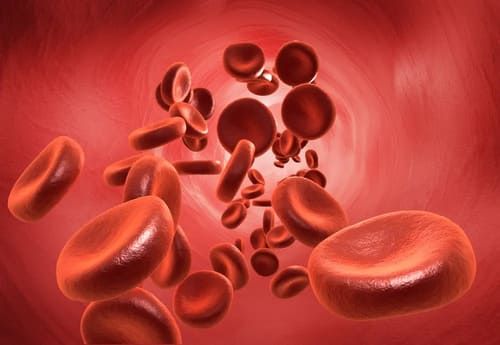
Hemophilia is a rare disease that runs in the genes, causing the body to fail to form clots and causing long-lasting bleeds.The more severe the hemophilia is, the bigger a problem these factors become.But in fact, it refers to a lack of certain coagulation factors: special kinds of proteins which are essential for our blood's ability to clot. Because it ran rife in the courts and royal houses throughout Europe, hemophilia is also known as "the royal disease."
Featured Articles
-
 Home & Garden
Different Window Blinds for Different Rooms in Your Home
-
 Automotive
What You Should Know Before Buying a Truck Bed Cover
-
 Travel
Benidorm All-Inclusive Holidays Paradise-like Beach Experiences
-
 Health & Wellness
Important Actions to Take When Being Diagnosed Spinal Muscular Atrophy
-
 Finance
Understanding the Core Components of a Reverse Mortgage Calculator
-
 Travel
The Most Scenic Road Trips in the United States
-
 Automotive
Things to Pay Attention to When Buying a Used Pickup Truck
-
 Home & Garden
How to Determine If a Lawn Mower Is Right for You