


Designing the Perfect Kitchen: A Guide to Optimal Layout and Functionality
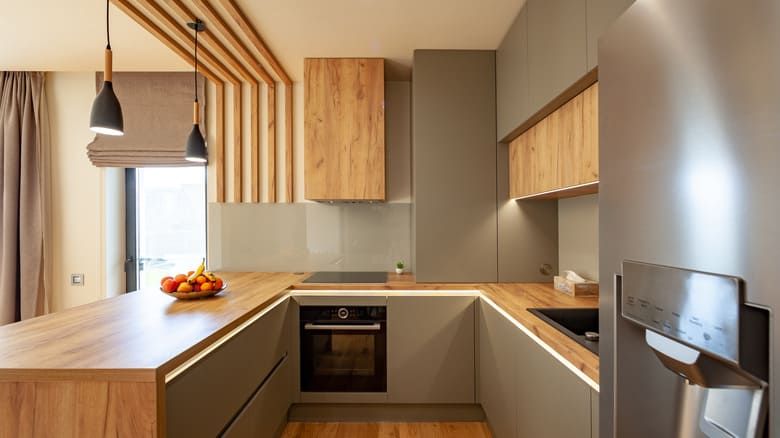
Many just as often describe the kitchen as the heart of the home, a place where meals are cooked, conversations exchanged, and memories arecreated. But designing a gorgeous, hardworking kitchen can be a challenge. A good layout will make cooking easier and safer and thus more fun. Whether we're remodeling a kitchen in a home that already exists or designing one for a new dwelling from scratch, there are many elements that must be taken into account to make sure the room works for us.
1. Importance of the Work Triangle
The work triangle that imaginary line joining the three main work stations, the refrigerator, the sink, and the stove, is one of the most basic principles of kitchen design. This idea is in place to guarantee a fluent and efficient connectivity between the key-zones. You're better off keeping each side of the triangle between 4 and 9 feet long, too short and you won't be able to fit all the necessary appliances; too long and it will be a pain to prepare your meals. The right work triangle cuts down on traffic and can make for easy multitasking for chefs who are coordinating with a helper.
2. Consider Storage and Organization
Smart storage is a life-changer. Clutter in the kitchen can be incredibly frustrating, so finding a home for everything is key. Today's kitchens also include deep drawers for pots and pans, pull-out spice racks and vertical dividers for baking sheets and cutting boards. Walk-in pantries or full-height cabinets with pullout shelves can greatly expand storage space and allow you to leave countertop clutter out of the way. In a smaller kitchen, you can maximize space with the right turned napkin drawer or overhead hanging rack.
3. Counter Space: The Backbone of the Kitchen
Enough counter space is one of the most frequently request things in kitchen design. Simply, without space to chop, mix and assemble ingredients, the most beautiful of kitchens end up being useless. There should ideally be at least 3 feet of uninterrupted counter space next to the range and sink. If there's room, a kitchen island with added workspace can double as a casual dining area or a place where friends and family congregate socially. Fold-down counters or a rolling butcher block can bring flexibility to a smaller kitchen. Durability and the lack of a high-maintenance need should be the deciding factors when choosing countertop materials, quartz, granite, and solid surface options (for their resistance to stains, scratches and heat) reign.
4. Strategic Appliance Placement
The product of where you put the big-ticket items in a kitchen will make or break its function. Keep the refrigerator within easy reach, but don't install it in a spot where you would be blocking a walkway with its door. Microwaves are generally mounted above the stove, which can be awkward or dangerous for kids and those challenge by height. Simply set it at counter height or into a purpose-built case with sufficient airflow.
5. Illumination
Whether it's for the purpose of placement and practicality or setting the mood, good lighting is crucial. A mix of task lighting (under-cabinet LEDs, pendant lights over the island), ambient lighting (recessed ceiling fixtures) and accent (inside glass cabinets or above artwork) makes for a pleasant space. You can control the intensity of the light with a dimmer switch, turning the kitchen from a functional food prep space to an evening gathering spot.
6. Traffic-flow and Multiuser Considerations
A good kitchen won't be cramped by having more than one person in it at once. For households with more than one cook, a galley or U-shaped kitchen may be a better choice than a one-wall kitchen. Islands and peninsulas should delineate the kitchen from an adjacent space, but be sure the design is not interrupting the work flow. If the kitchen spills into a dining or living area, it's important to maintain a sense of distinction, ensuring the two spaces don't bleed together so far that the open plan becomes an unstructured jumble.
An efficient kitchen is a comfortable and stylish space to be in. Prioritizing the work triangle, maximizing storage, leaving plenty of counter space, placing appliances carefully, layering the light, planning for a good traffic flow, you might just get a kitchen that's not just pretty, but also a joy to work in.
 Disclaimer:
The content provided on our blog site traverses numerous categories, offering readers valuable and practical information. Readers can use the editorial team’s research and data to gain more insights into their topics of interest. However, they are requested not to treat the articles as conclusive. The website team cannot be held responsible for differences in data or inaccuracies found across other platforms. Please also note that the site might also miss out on various schemes and offers available that the readers may find more beneficial than the ones we cover.
Related Websites
-
 Health & Wellness
Preventing Kidney Stones: Effective Strategies for a Healthier Life
Kidney stones are a common painful condition that can be experienced by anyone. These solid deposits of minerals and salts can form in the kidneys, causing agonizing pain as they move through the urinary tract. While some people are genetically more prediscovered to grow kidney stones, there are several things that we can do to help prevent these from forming in the first place. Making some lifestyle changes and simply being cautious of dietary practices can greatly reduce your chances of developing this painful condition.1.Stay Well-hydratedThe best way to try to prevent kidney stones is to keep hydrated. Staying well hydrated by drinking adequate water during the day helps to dilute materials that create stones in the urine.Minerals and salts are less likely to crystalize and form stones when urine is dilute. Their reason behind this is that the normal, reliable advice says that you ought to be drinking 8–10 glasses, or 2–3 liters, of water a day, but whose to say what this refers to when there are so many factors in your environment, level of activity, health conditions, etc. That will determine how hydrated you need to be. Those with a history of kidney stones are often advised to drink enough water to produce around 2.5 liters of urine per day. Water remains the best, but other fluids (like herbal teas and citrus-based drinks) can help with hydration, and possible prevention, in some cases, because citrate (found in citrus-based drinks) can help reduce formation of stones.2.Balanced DietDiet is also an important part of preventing kidney stones. A diet that is low in salt and animal protein may help prevent stone formation. Excessive sodium intake can raise the amount of calcium in the urine, a major component of many kidney stones. So it’s important to limit processed foods, canned soups and salty snacks. Moreover, decreased animal proteins (e.g red meat, poultry/eggs) consumption will help to decrease the urinary levels of uric acid(another contributor to stone formation). We can certainly reduce our intake of animal proteins, and replace with more plant-based proteins, like beans, lentils, and tofu.3.Get Enough CalciumCalcium is also misunderstood with regard to kidney stones. Although calcium is a component of many stones, avoiding calcium is not the answer. In fact, consuming adequate calcium through fooddairy products or fortified plant-based options — can help prevent stones. That’s because calcium attaches to oxalate in the intestines, where it prevents oxalate from entering the bloodstream and being filtered out through the urine, where it can lead to stone formation. But speaking of extra calcium, it is also one of the minerals which shouldn't be taken in excess as it increases stone risk.4.Take in Oxalate-rich FoodsAnother food-related factor is the consumption of foods high in oxalate.Foods that are high in oxalate contain a compound that can combine with calcium in the urine to make calcium oxalate stones — the most common type of kidney stones. Spinach, rhubarb, beets, nuts and chocolate are all high oxalate. That doesn’t mean you have to completely ban these foods, but moderation, as well as balancing these foods with calcium-rich foods, may help in stone formation.So in summary, the avoidance of food that would cause kidney stones, drinking lots of fluid and maintaining a healthy life style solves the puzzle of staying away from kidney stones. Well, here you can really reduce your risk of this painful condition as long as you drink enough water, reduce salt and animal proteins, take enough calcium, control oxalate-rich foods and weight. Though none of these approaches guarantee immunity from kidney disease, they help support these important organs while improving your quality of life. So if you’re prone to kidney stones (or at higher risk), always check with your doctor directly for more tailored advice. -
 Health & Wellness
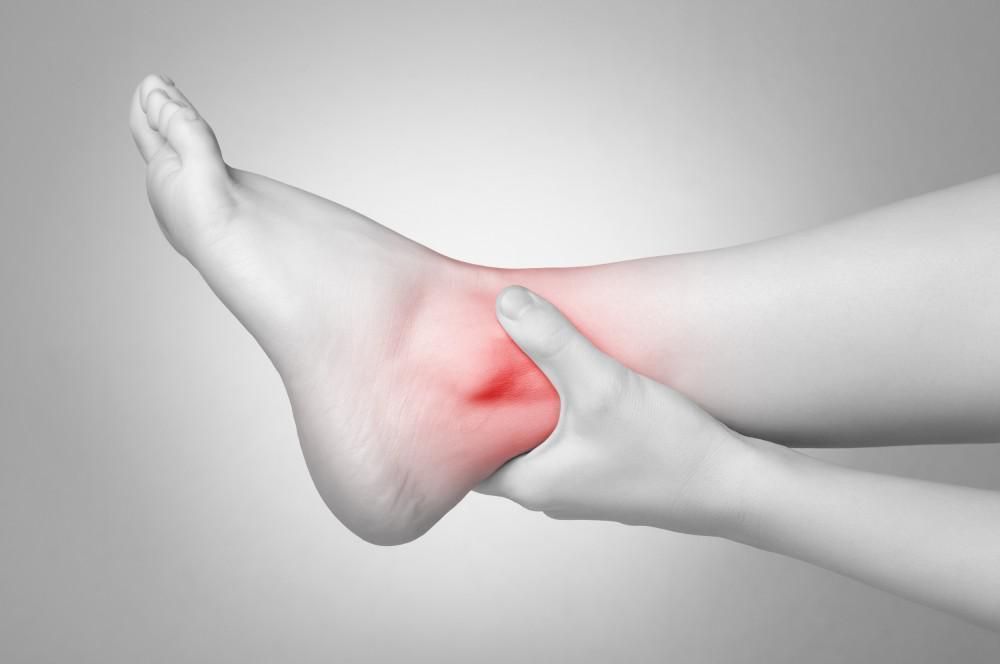
Measures to Relieve Ankle Swelling
Of the ordinary physical maladies, there is none more common or which creates so much suspicion in a patient's mind as a sprained ankle. And whether it is after the finish line of a particularly tough workout, when you miss your step off that curb or for no reason that's apparent at all, that snuggly puffy tightness that develops around the joint of your ankle can make sitting somewhat uneasy and quite frightening. Sometimes it's a relatively minor problem that remedies itself, and sometimes it's the red flag of something more serious. It is essential to do your best to determine the cause of the problem as well as how to prevent it from occurring again. -
 Automotive
Should Your Next Mercedes Sport a Hood Ornament or a Giant Grille Emblem?
Regardless of what engine you'd like, from Beijing to Boston — if you walk into a Mercedes-Benz showroom and ask Benz busting question: standing hood ornament or jumbo grille star? It is a difference of just a few centimeters of chrome, but it separates customers and resale values, even corporate fleets. With the 2025 E-Class recently redesigned and US deliveries kicking off this spring, it is a fitting time to unscramble the two personae of the world's oldest luxury marque.
Featured Articles
-
Automotive
Should Your Next Mercedes Sport a Hood Ornament or a Giant Grille Emblem?
-
 Travel
What an American Citizen Should Know About Turkey Visa
-
 Automotive
The Modern Pickup: A Buyer's Guide to Finding Your Perfect Match
-
 Finance
Universal Life Insurance and Term Life Insurance
-
 Health & Wellness
Etiology of Hives
-
 Home & Garden
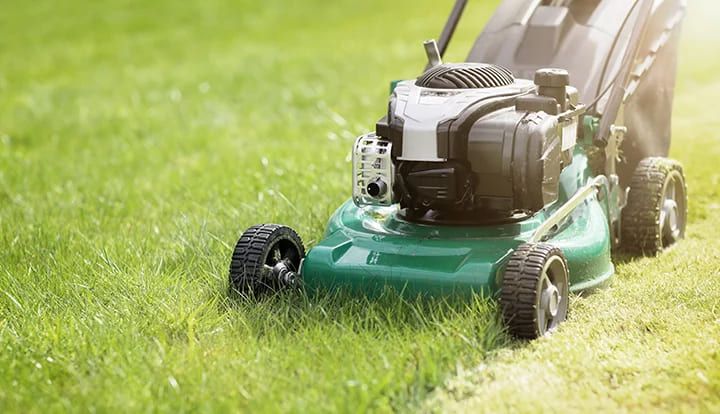
How to Determine If a Lawn Mower Is Right for You
-
 Health & Wellness
Shielding Yourself from Shingles: A Guide to Prevention
-
 Home & Garden
Choosing the Proper Furniture for Your RV