



Etiology of Hives

The medical name for hives is urticaria, and they are a commonly occurring skin condition that involves sudden, itchy, red and swollen areas of skin, know as welts, on the skin. They can also vary in size and shape and often arise and subside multiple times in a short period. Hives are usually not life threatening, but can be painful and distressing. Once you know what is triggering it or treated the underlying causes of the hives, your hives will go away. Life history and co-morbidities have a debilitating impact affecting transition to adulthood, and the hive is one of them. Here are the reasons why you encounter the hives.
1.Allergic Reactions
First and foremost, allergic reactions are among themost widespread causes of hives. When the body reacts to an allergen, the immune system is hyperactive and release histamine and other chemicals in the blood. This results in blood vessel dilation and the swelling and itchiness characteristic of hives. Several common allergens which may lead to the hives include nuts, eggs and dairy products. And if you are stung and bitten by some insects, you may also have the chance to get hives. Even exposure to latex or certain chemicals has made me break out into hives in some cases.
2.Physical Stimuli
These typesof hives occur for example might occur after physical stimulation of the skin. There are many sub-typeswithin each category which may have a different trigger. Dermatographism, or “skin writing,” is an example of this phenomenon in which, when the skin is lightly scratched or rubbed, raised welts appear.The cold hives can be obtained by the exposure to the low temperature, while the solar hives results from the exposure to the sunlight. Heat hives which is caused by heat, cholinergic hives which is caused by the increase in body temperature such as exercise or taking showers, are other common physical hives. What is more, hives can be caused by these physical triggers that make the mast cells in the skin histamine-producing cells.
3.Infections
One more common reason that causes the hives is the infection by virus or bacteria. Other viral infections — like the regular flu and hepatitis — can stir the immune response so much that hives result. The hives also can happen during a viral illness, particularly from the common cold, and can occur when you are infected by bacteria, especially because of the streptococcus or staphylococcus. And hives can be caused by all sorts of conditions, including infections from parasites.Infections are thought to elicit hives through the same process, although the exact mechanism is not fully understood.
4.Systemic Diseases
Hives may also be thesymptom of an underlying systemic disease. Chronic urticaria is often associated with autoimmune diseases such as lupus, rheumatoid arthritis and thyroid disease. Increased inflammation and rushing histamine are generated under these circumstances, causing the immune system to inaccurately attack the body’s own tissue. Certain cancers can also be behind hives, as part of the immune response the body launches to fight the malignancy, particularly lymphomas and leukemias. In some cases, hives can be a sign of an underlying endocrine disorder, such as diabetes or adrenal insufficiency.
All in all, hives can have many different causes, with both allergic and nonallergenic sources behind the mechanisms that lead to this condition. The cause of what that will be individualized for what kind, however, will always have a foundation to the treatment and management of the eczema that person has. In several instances, recognizing and avoiding the trigger can greatly lessen the frequency and intensity of outbreaks. But chronic urticaria may require a more complex treatment plan that could involve antihistaminesor other medications to help manage symptoms. With further research, revealing the mechanisms behind hives, new and more targeted treatments are likely to come, and that driveshope who have to deal with thisproblem.
 Disclaimer:
The content provided on our blog site traverses numerous categories, offering readers valuable and practical information. Readers can use the editorial team’s research and data to gain more insights into their topics of interest. However, they are requested not to treat the articles as conclusive. The website team cannot be held responsible for differences in data or inaccuracies found across other platforms. Please also note that the site might also miss out on various schemes and offers available that the readers may find more beneficial than the ones we cover.
Related Websites
-
 Home & Garden
Tips to Remove Urine Stains from Your Mattress
In the case of urine on your mattress, an accident has occurred, and your best move is to act as soon as possible to prevent stains and odors from setting in; urine — whether from a child, pet or even an adult — can easily seep deep into mattress fibers if not treated in the right manner. But with a few steps and some effort, you can indeed get rid of all but the stain and smell you need to make your mattress a clean product.Hereis a complete guide to address this householdnuisance.Step 1. Act QuicklyThe earlier you treat the urine stain, the better your chances of removing it entirely. New urine is easy to clean, unlike dried urine, which canenter the mattress and get stained. Start openingthe clean-up process as soon as you see the accident.Step 2. Blot, Don't RubStart by blotting the soiled area with clean absorbent towels or paper towels. Apply pressure to absorb as much liquid as youcan. Do remember nottorub it,though, as that will spread the urine and push it further into the mattress.Step 3. Prepare a Cleaning SolutionHere are some of the best cleaning solutions to remove urine stains and odors. Here are a few options.lAcid and Base Solution: Vinegar and Baking SodaMix white vinegar and water into a spray bottle, then add baking soda, in this way, you can get a spray of strong cleaning power.lHydrogen Peroxide and Dish SoapSolutionGet a cup of hydrogen peroxide, a spoon of dish soap and a little baking soda, mix them together.lEnzyme CleanerUrine destroyers or enzyme-basedcleaners arespeciallydesigned to target and destroy urine molecules and the odors. These are especially great forpet pee.Step 4. Usethe Cleaning SolutionApplythe cleaning solution by spraying or pouring on to the stainedarea until completely saturated. Let the solution soak in for 10-15 minutes so that it can reach the mattress fibers and break down the urine.Step 5. Blot AgainOnce the solution has had time to work, blot the area again with clean towelsor paper towels. This will remove the cleaning solution along with the dissolved urine.Step 6. Neutralize OdorsPut some baking soda on the stains in order to remove the bad smells. Because baking soda is a natural smell exterminator which can remove any smells. Then you just need to wait for some hours.Step 7. Vacuum the MattressAfter the baking soda has removed enough bad smells, then you need to use the vacuum to vacuum them. And that'llalso help fluff up the mattress fibers.Step 8. Air DryBefore putting your items back to the original places, make sure your mattress is totally and entirely dry. If not, just wait till it is dry. You ought to dry the mattress up because the humidity can result in mildew and mold. You can speed this process up by running a fan or keeping the mattress somewhere with good airflow.Step 9. Preventive MeasuresIf you don’t want the stain to hurt your mattress, you may need a waterproof mattress protector. These covers serve as barriers between your mattress and any liquids, making clean up easy.Step 10. Additional TipsRepeat the cleaning process as necessary for more stubborn stains.Avoid too much harsh chemicals or bleach, as that cannegatively affect the mattress fabric. If urine odor persists, use an enzyme cleaner to extract urine.In conclusion, remember that speed and how to clean up are important to prevent a permanent stain so that you bed remains a clean place to sleep. -
 Travel
Top Attractions to See in Yellowstone National Park
Yellowstone National Park is the first national park in America and home to an incredible diversity of natural wonders across more than 2.2 million acres of Wyoming, Montana, Idaho state land.Full reopening of the breathtaking park, famous for its remarkable geological formations and steaming hot springs; abundant wildlife, and aquatic plants even if — this iconic park opened in1872 has continued a long drive toward great outdoor recreation season by travelers each year.Here are some sites of rarely encountered natural beauty — do not miss these as you explore Yellowstone. -
 Automotive
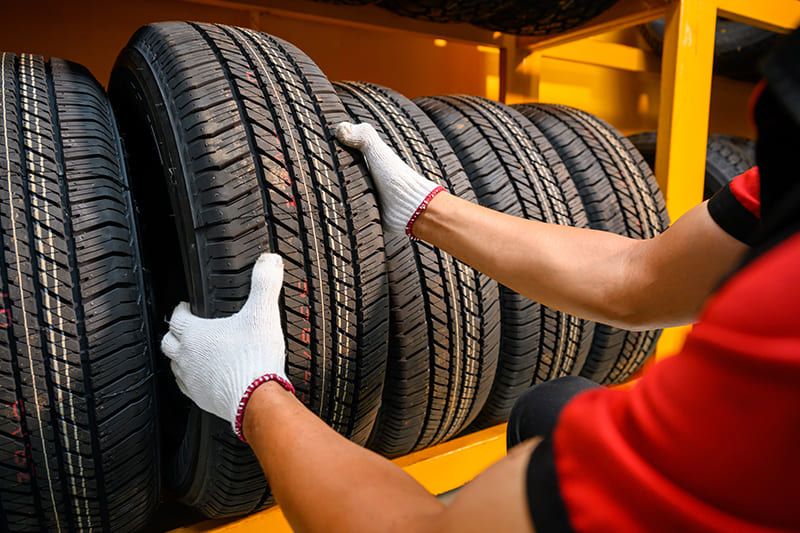
Finding Best Tires with Affordable Prices
Out of all theparts of your vehicle that you have to maintain, tires are some of the most important. Tires are the only surface that reveals contact between your car and the road, which is a vital link between safety, performance, and fuel economy. But, the best tires at cost-effective prices can be a bit challenging to find, as there are numerous options available in the market. In this article, wewill help you through your selection of quality tires without entering the blind out of your budget.1.Understanding Your NeedsBefore you find cheap tires, you need to know what type of tires you need. Tires that are perfectly suited for one vehicle and driving condition, are not good for another one. As an example, when you reside in an area with severe winters, you will need winter season car tires that offer more hold on snow and ice. Conversely, if you only drive in cities, you can get away with all-season. Learning about your driving habits, the climate you drive in and the car you drive will help narrow your options and make a better educated decision.2.Research and Compare PricesOnce you know exactly what you need, do some research and make some comparisons. The internet is a great place to do this. Many online directories and marketplaces can help you learnmore about specific tire brands, models, and pricing. Shopping on places like Tire Rack, Discount Tire and Amazon lets you compare deals from multiple sellers, read reviews from fellow customers, and even see how different tire models rated.You should also check with local tire shops and dealers. Sometimes, there may be promotions, discounts, or deals just for local stores you can't find online. Feel free to get quotes from different sellers, and make comparisons. Keep in mind that the purpose is to measure price is the right tire; looking around for the most affordable prices will conserve you cash.3.Think About Tire Brands and QualityAlthough the cheapest option is appealing, you must take into account the tire brand and quality. Big name brands such as Michelin, Bridgestone and Goodyear have long been associated with superior quality and performance. However,some great tires come at lower prices from less-known brands. Brands such as Cooper, General, and Falken, have developed the reputationfor producing decent quality tires at more affordable prices.4.Factors to Consider When Allocating Quality to TiresTread life, traction and fuel efficiency. Choose tires with a warranty, which is a sign that the manufacturer stands behind their product. Also watch for industry certifications such as the UTQG (Uniform Tire Quality Grading) rating, whichsummarily describes a tire treadwear, traction, and temperature resistance.5.Search for Discounts and PromotionsFinally, keep an eye out for discounts and promotions, which can be a great way to save on your tire purchase. Most tire retailers run seasonal sales and specials, particularly around holidays such as Black Friday, Memorial Day, and Labor Day. In addition, some retail locations offer discounts when you buy a full set of tires or when you bundle tires with services such as alignment or rotation.Also, don't forget to look for manufacturer rebates. Many tire manufacturers provide incentives that can lead to a sizable decrease in the final price. Many but not all rebates will require you to send a form and proof of purchase in, but the hassle can pay off.To sum up, searching discounts and deals, understanding what do you want, comparing prices and checking the tire quality can all help you find a good tire that fits your pocket. So be those new tires from a top name brand or you are looking for used or retreaded options the key is to exercise safe and performance for a lower price. When done correctly, you can fit your vehicle with the best tires it can handle without breaking the bank.
Featured Articles
-
 Automotive
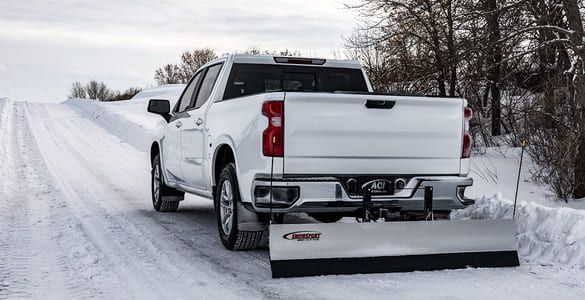
Truck Plow Attachment: The Truck Savior in the Snow
-
 Travel
Must-see Attractions in Italy
-
 Automotive
A Comprehensive Guide to US Gasoline Octane Ratings
-
 Home & Garden
Stackable Washer Dryer Selection Guide
-
 Travel
Why Every Family Should Prioritize Time Away Together
-
 Automotive
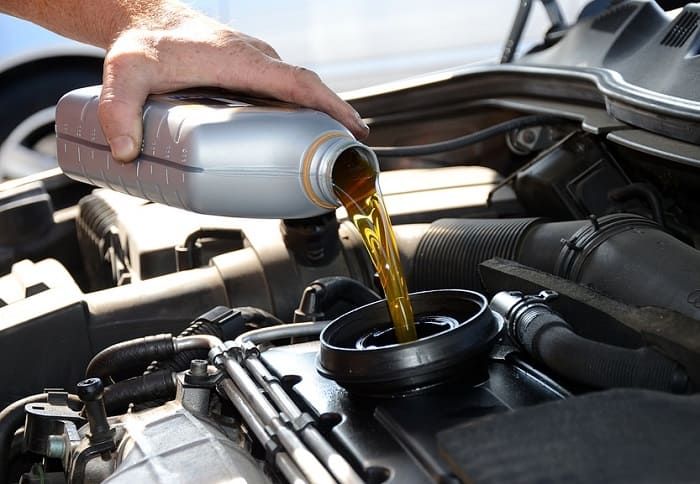
Why We Need to Change Oil for Our Cars
-
 Finance
What to Consider When Opening an Online Bank Account
-
 Finance
Benefits of Medicare Plan F