



Understanding Excessive Hand Sweating: Causes, Symptoms and Solutions
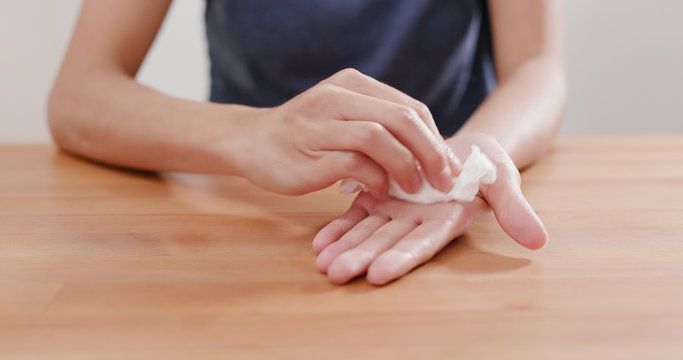
You may be surprised to learn that palmar hyperhidrosis is a relatively common condition, about 1-3% of people have it. Sweating, of course, is a natural and necessary function of the body, which works to cool us down, but people with hyperhidrosis produce much more sweat than the body requires for thermoregulation to be considered normal. This disorder can occur at any age, is see in childhood or adolescence, and can be lifelong if not treated. The negative effects of chronically clammy palms reach beyond mere discomfort, often manifesting in severe social anxiety and professional obstacles for sufferers.
The Science of Excessive Sweating
Before we dissect palmar hyperhidrosis, we need to understand how sweat glands work. It may seem like we have sweat glands everywhere, but we actually only have two to four million of those tiny sweat-producing holes in our bodies, and these little nozzles can bombard you with a million of those swamps on a normal day, with the armpits, palms and soles leading the charge. These eccrine sweat glands are regulated by the sympathetic nervous system, which is one arm of our autonomic (involuntary) nervous system. These glands do not properly switch on for most people in response to warmth, exercise or stress. However, in hyperhidrotics, the sweat glands overreact to typical triggers and create exceedingly more sweat than what is needed.
Recent studies indicate the overactivity may result from malfunctioning in the hypothalamus or in nerve transmissions between the brain and sweat glands. Genetic predisposition is significant with the disease having a family history in 30-50% of patients. The sweat is often symmetrical and thus equally on both sides, which is one of the clues that this is stress-induced sweating, versus sweating from other medical problems.
Holistic Therapeutic Strategies
Luckily, you will find several different management choices in today's medical world from conservative to invasive. Treatment choice is based on severity, patient preference, and past treatment response.
1. Topicals: Aluminum chloride hexahydrate solutions (Drysol is an example) still are front line. These antiperspirants work by blocking the sweat ducts and are usually applied before bed. Though effective in mild cases, they can lead to skin irritation and should be used with caution in combination with moisturizers. Recent preparations which contain glycopyrronium tosylate seem to be more effective and have fewer adverse effects.
2. Iontophoresis: Billed as a medicine-free solution, patients place their hands in shallow water through which a low-level electrical current is then passed; the FDA-approved method is then repeated several times a week until the excessive sweating is under control. It's not completely clear how it works, but temporarily blocking sweat glands could be a factor. Patients generally require 2-3 20-minute sessions per week at the beginning, then maintenance treatments. For home use of course it may be convenient with today's machines, but it takes discipline.
3. Oral Medications: Anticholinergic medications, such as glycopyrrolate and oxybutynin, can decrease sweating systemically by limiting acetylcholine, the brain's chemical messenger that activates sweat glands. Effective as they are, they also carry side effects, dry mouth, blurred vision, urinary retention, that can make such treatments unsuitable for long-term use. If anxiety is a major trigger, beta-blockers or benzodiazepines, can be beneficial.
4. Operative Options: Endoscopic thoracic sympathectomy (ETS) is the most radical procedure and is done by cutting or clamping the nerves of the sympathetic chain behind the chest wall that are responsible for sweating of the hands. It's very effective (most patients achieve >95% improvement in hand sweating), but it can cause problems such as compensatory sweating (excessive sweating with other body parts), Horner's syndrome and, rarely, even life-threatening complications. Newer approaches, such as sympathetic nerve reconstruction are intended to decrease these risks.
Hyperhidrosis of the hand is more than just an annoying, physical inconvenience, it's a condition that can drastically interfere with the quality of life and social interaction. The great news is that there are many things that you can do to treat it, from home remedies to medical intervention. If palmar hyperhidrosis impacts your life, know that that you're not alone, and there is effective help.
 Disclaimer:
The content provided on our blog site traverses numerous categories, offering readers valuable and practical information. Readers can use the editorial team’s research and data to gain more insights into their topics of interest. However, they are requested not to treat the articles as conclusive. The website team cannot be held responsible for differences in data or inaccuracies found across other platforms. Please also note that the site might also miss out on various schemes and offers available that the readers may find more beneficial than the ones we cover.
Related Websites
-
 Home & Garden
Common Cognitive Misconceptions About Microwaves
Microwave is a magic little oven that is used to cook all kinds of dishes in no time. Yet, despite their frequent use, myths tend to circulate about microwaves, most of which revolve around their alleged dangers for health (bad for the eyes), nutrient-sealing qualities and what form of RF radiation they give off. This article seeks to dispel some of these popular cognitive myths. -
 Health & Wellness
A Self-Help Guide to Managing Toenail Fungus
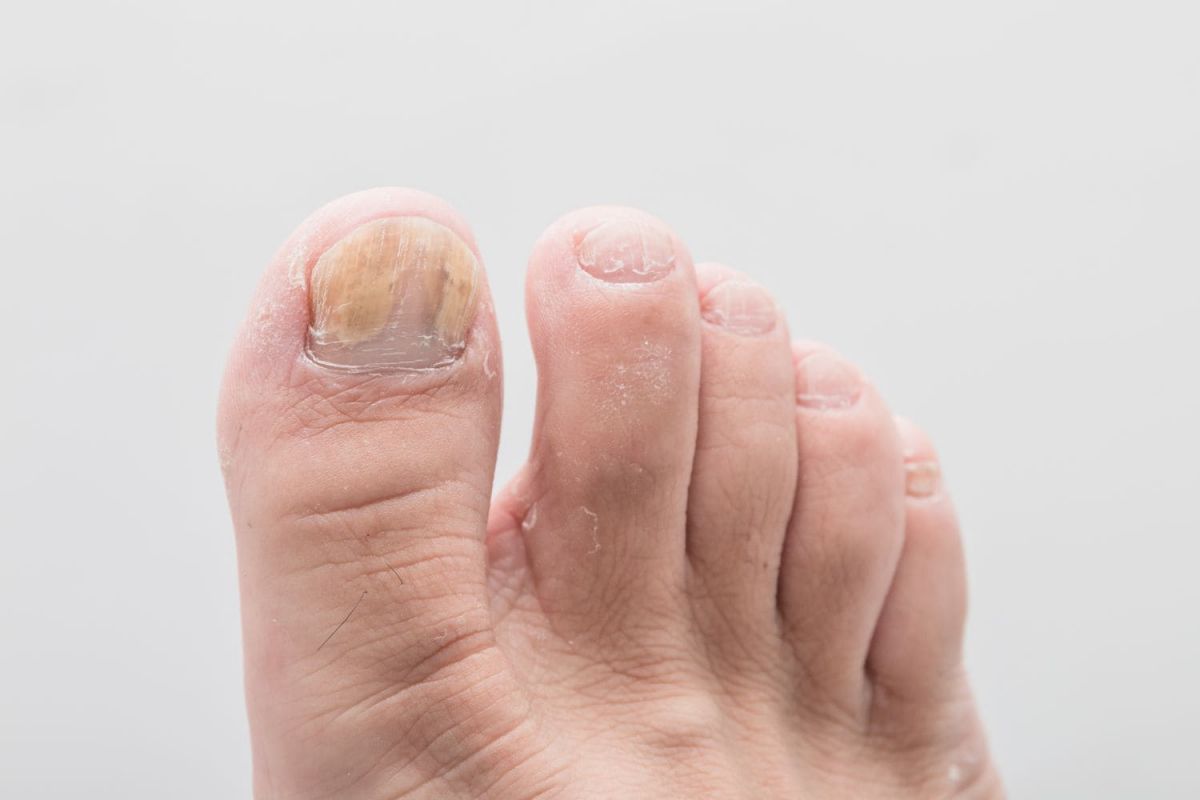
Toenail fungus is a common but tough to cure disease that makes your toenail infected and ugly.It's awful, sometimes it hurts and can be maddeningly hard to get rid of. While severe cases do warrant medical attention, many people attempt to treat the problem at home. -
 Home & Garden
Memory Foam Mattresses Bring You Lots of Benefits
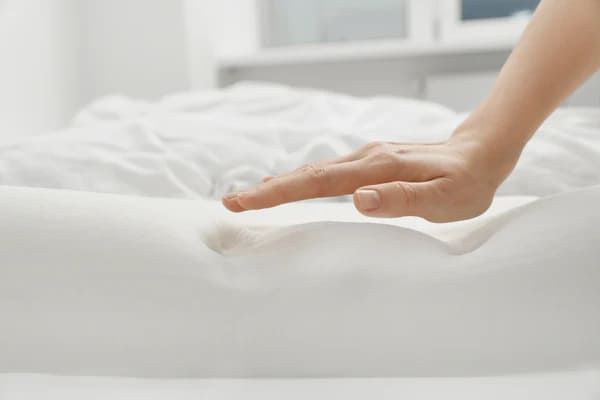
A good night sleep is an important aspect of overall health and the quest for the perfect mattress becomes even more important. In today’s vast world of mattress options, memory foam is one of the most searched for, and there are several reasons for this. First designed by NASA the 1960s, for spacecraft seating, memory foam has since become one of the most popular bedding materials in the world. Here’s why a memory foam mattress might be the mattress for you, if you’re in the market for a bedroom upgrade.
Featured Articles
-
 Travel
Taking a Mississippi River Cruise: An Unforgettable Experience
-
 Automotive
What Every Driver Should Understand on Car Insurance Quotes
-
 Health & Wellness
Embracing Lifestyle Changes to Manage Hypertension
-
 Home & Garden
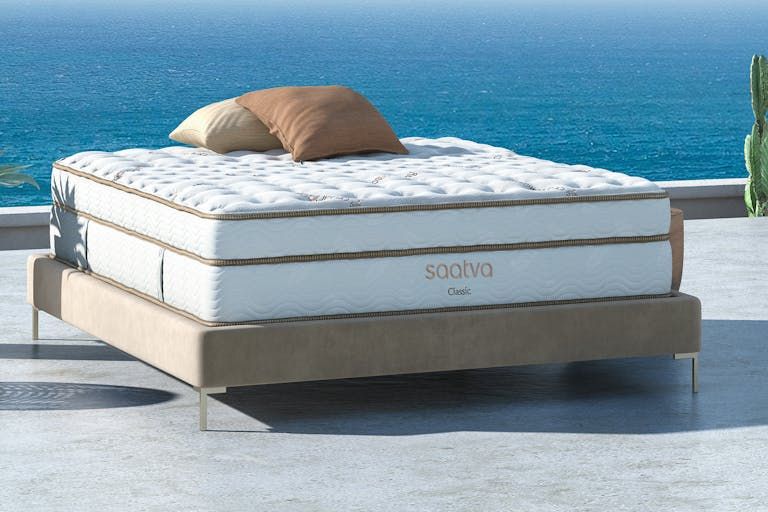
All-Round Excellence of Saatva Mattress
-
 Health & Wellness
Common Visual Problems You Should Take Steps to Prevent
-
 Automotive
Practical Benefits of a Truck Bed Cover
-
 Home & Garden
How to Clean Hardwood Floors Without Damaging Them
-
 Finance
Credit Unions Offering the Best 5-Year CD Rates